

Positional Release Therapy in Denver
The gentlest way we know to release
a muscle that won’t let go.
Some muscles guard harder the more you push on them. Positional release works with your body instead of against it.
Positional release at a glance
The basics
What is positional release therapy?
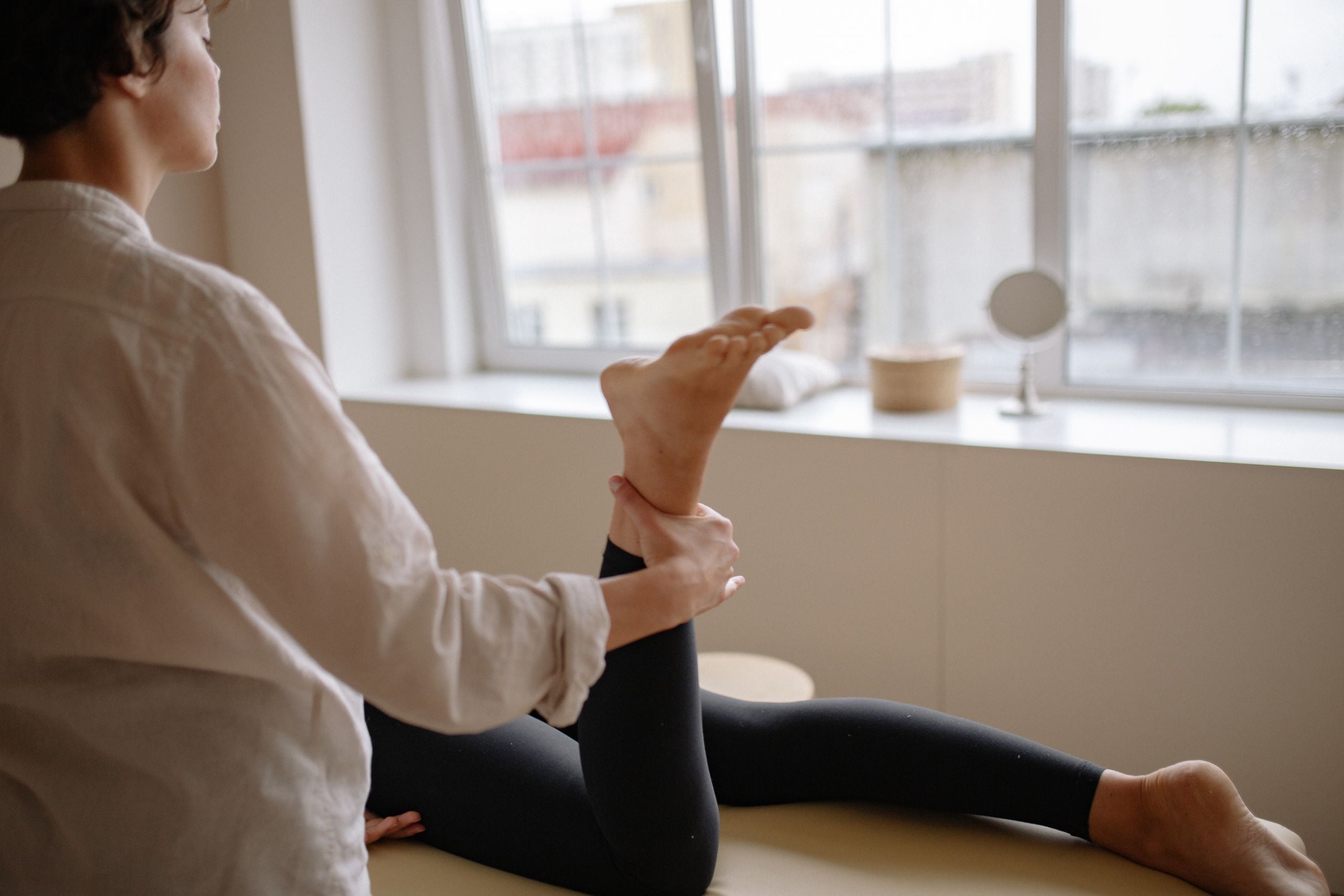
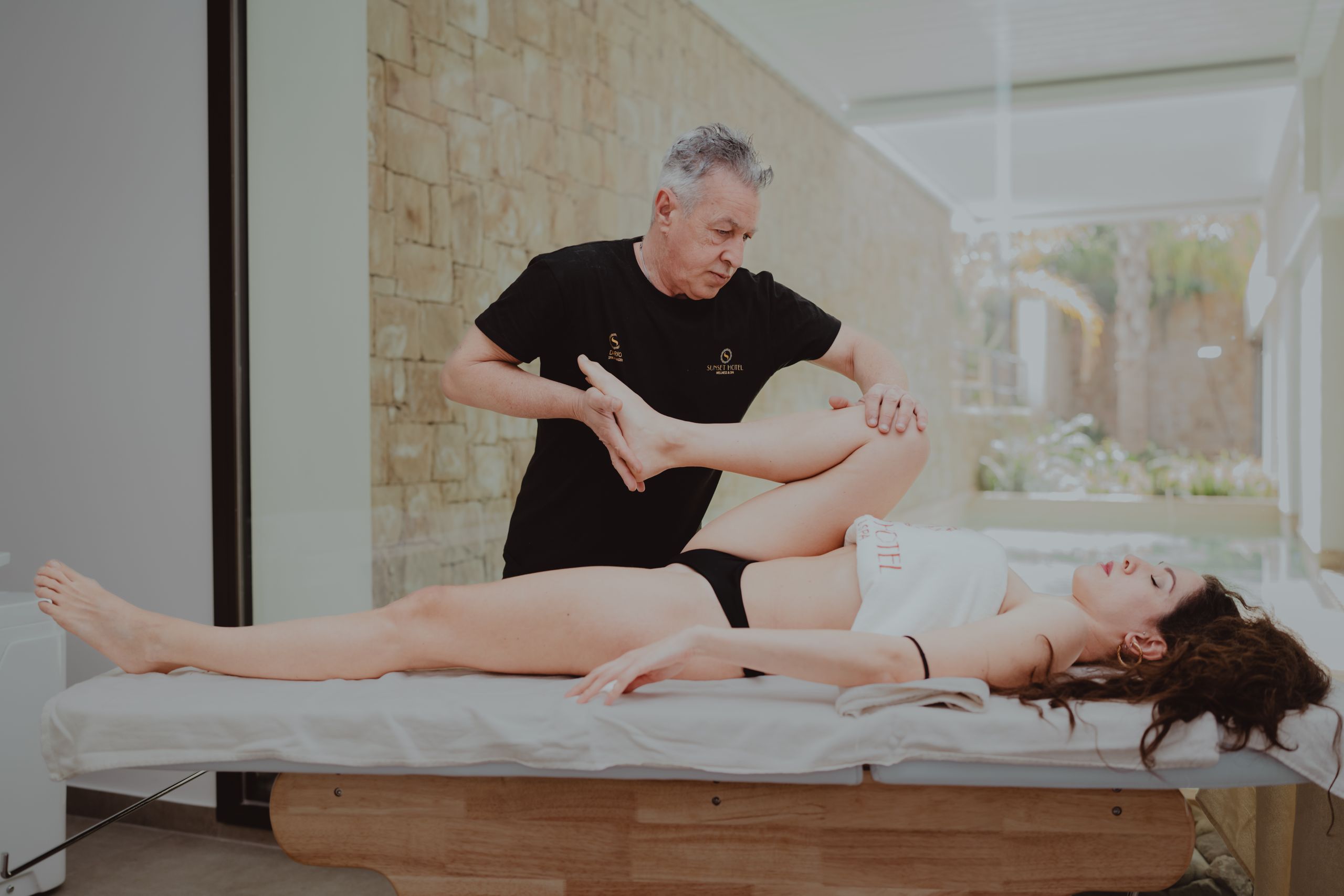
Positional release therapy, sometimes called strain counterstrain, is a gentle, hands-on technique for treating muscle tension and dysfunction. It grew out of osteopathic practice, and the idea is almost the opposite of deep tissue work: instead of pressing into a tight, tender spot, your therapist moves your body into a position that shortens and relaxes the affected muscle, then holds it there while the tissue lets go on its own.
At Denver Sports Massage, we practice it as passive positional release. You stay completely relaxed on the table while the therapist does the positioning. No force, no digging, no bracing against pressure.
The method
How a passive positional release session works
Your therapist palpates the muscle to find the tender points that are driving your pain or restricting your movement. For each one, they position your body so the muscle around that point goes slack, then hold the position for about 90 seconds while the tissue releases and returns toward its normal resting length.
That hold sounds simple, and it looks uneventful from the outside. What’s happening underneath is a reset: the nervous system stops guarding the area, and the muscle can finally stand down. The process repeats for each tender point your therapist finds, and it can be applied nearly anywhere on the body, from the neck and jaw to the low back, hips, and feet.
Who it’s for
Who gentle release
work helps
Because there’s no forceful pressure involved, positional release is often the right call when other techniques are too much:
⚡ Acute pain and flare-ups
When tissue is too irritated to tolerate direct pressure, positioning can bring relief without aggravating it.
🩹 Recovery from injury or surgery
A gentle option for tissue that’s still healing, helping restore movement without strain.
😣 People who find deep tissue too intense
You get clinical results without spending the session gritting your teeth.
🧘 Stubborn tension that stretching hasn’t touched
A muscle that guards against every stretch will sometimes release readily once it’s placed in a shortened, supported position.
Clients typically leave with less pain, easier movement, and a deeply relaxed nervous system. Improved flexibility and posture tend to build over a series of sessions.

Your visit
What to expect
at your appointment
Every session starts with an assessment. Your therapist reviews your history, watches how you move, and identifies which tender points matter most for your goals. During treatment you lie comfortably while they position and hold; they’ll check in throughout to make sure everything feels easy, because it should.
Afterward, your therapist may show you a stretch or positioning exercise to use at home. One session can bring noticeable relief, and lasting change usually takes a short series along with the self-care work between visits.
Many clients also fold positional release into a broader session. If your therapist finds a spot mid-massage that’s too tender for direct work, they can switch to positioning for that area and return to hands-on techniques elsewhere. You don’t have to choose one approach for the whole hour.
Start with an assessment
Get a treatment plan built around your body, your training, and your schedule.
Why us
Why Denver Sports Massage
Positional release rewards precision, and precision comes from assessment. Our licensed massage therapists are trained to find the tender points that actually drive your symptoms, not just the spots that hurt. We often pair positional release with sports massage or other clinical techniques in the same session, matching the tool to the tissue. It’s the approach behind our 4.9 Google rating and 350+ reviews from active people across the south Denver metro.



“Had a truly restorative experience with Gabriel, and the staff were fantastic from check-in through the entire process. Looking forward to my next visit!”
Yomi Olufowoshe · Google Review · Verified
“Absolutely the best! Listened to my situation and was logical in her approach to treating me. Went well beyond what I anticipated to help me understand the nature of my ailments and what can be done to help me with practical exercises.”
Dave Conner · Google Review · Verified
“I’ve been coming to Denver Sports Massage for nearly 2 years and Jyoti is the best. He really understands my body and what it needs. Highly recommend.”
Sherry-Ann Dombrowski · Facebook Review

Could your muscles use
a gentler approach?
If pressure hasn’t worked, or you’d rather skip it entirely, positional release therapy is worth a try.
Not sure what service to book? Call us, we’ll help you figure it out.
