

Leg Pain Massage in Denver
Tired, aching legs shouldn’t be the price of staying active.
Clinical massage for tight, overworked, or aching legs, from licensed therapists who find the muscles behind the pain.
Leg pain at a glance
Understanding leg pain
Why your legs ache
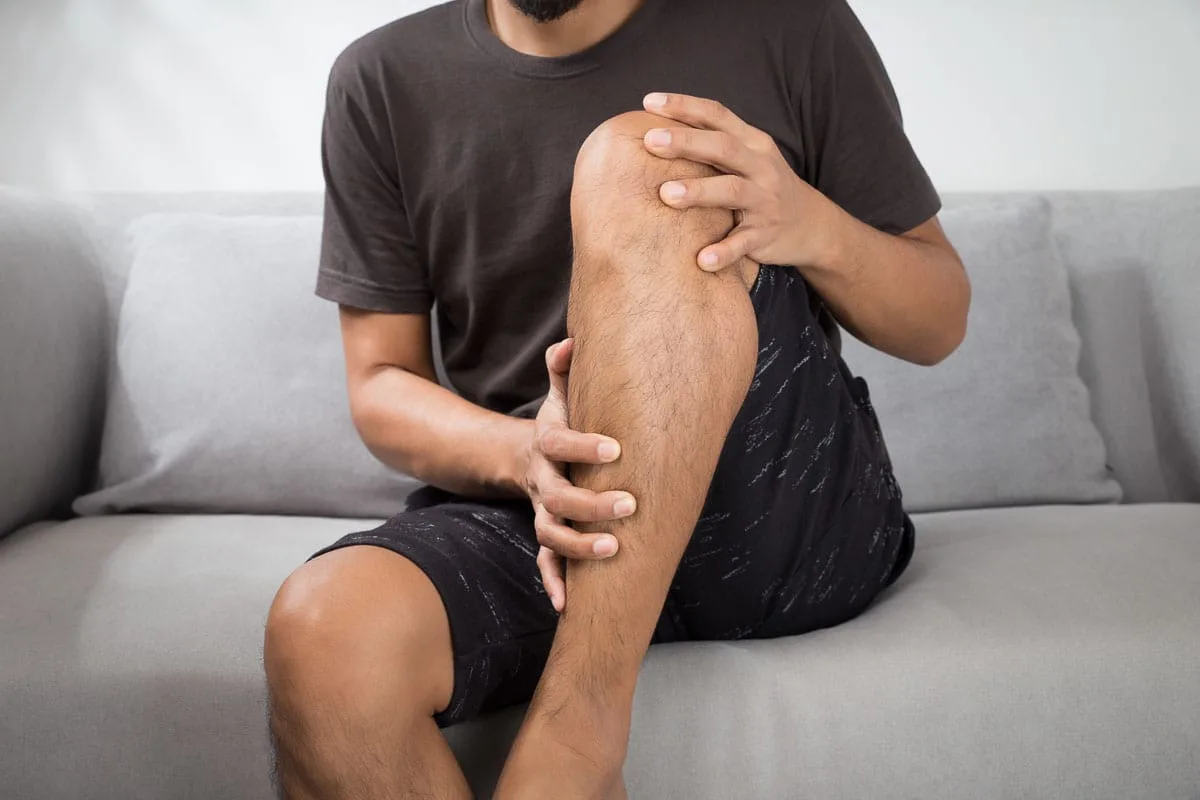
Leg pain covers everything between your hips and your ankles, and most of it is muscular. Calves that cramp at night, hamstrings that never quite release, quads trashed from a hard week of training, shins that burn a mile into a run. Leg pain massage in Denver starts with sorting out which tissues are actually complaining, because “my legs hurt” can mean a dozen different things.
Common causes
The causes we treat most often
One honest caveat: not all leg pain is muscular. Sudden swelling, warmth, or one-sided calf pain can signal a blood clot, and cramping that reliably appears when you walk can point to a circulation problem. Those need a doctor before they need a massage therapist, and we’ll tell you so if your symptoms raise that flag.
How it works
What massage for leg pain can do
Your legs are the hardest-working muscle group you own, and they respond well to direct treatment. Skilled massage helps release chronically tight muscle, improves circulation to tissues that recover slowly on their own, and restores the flexibility that shortens as tension builds. For active people, regular soft tissue work also helps catch developing problem spots before they turn into injuries that cost you weeks.
Lower leg pain: calves, shins, and Achilles
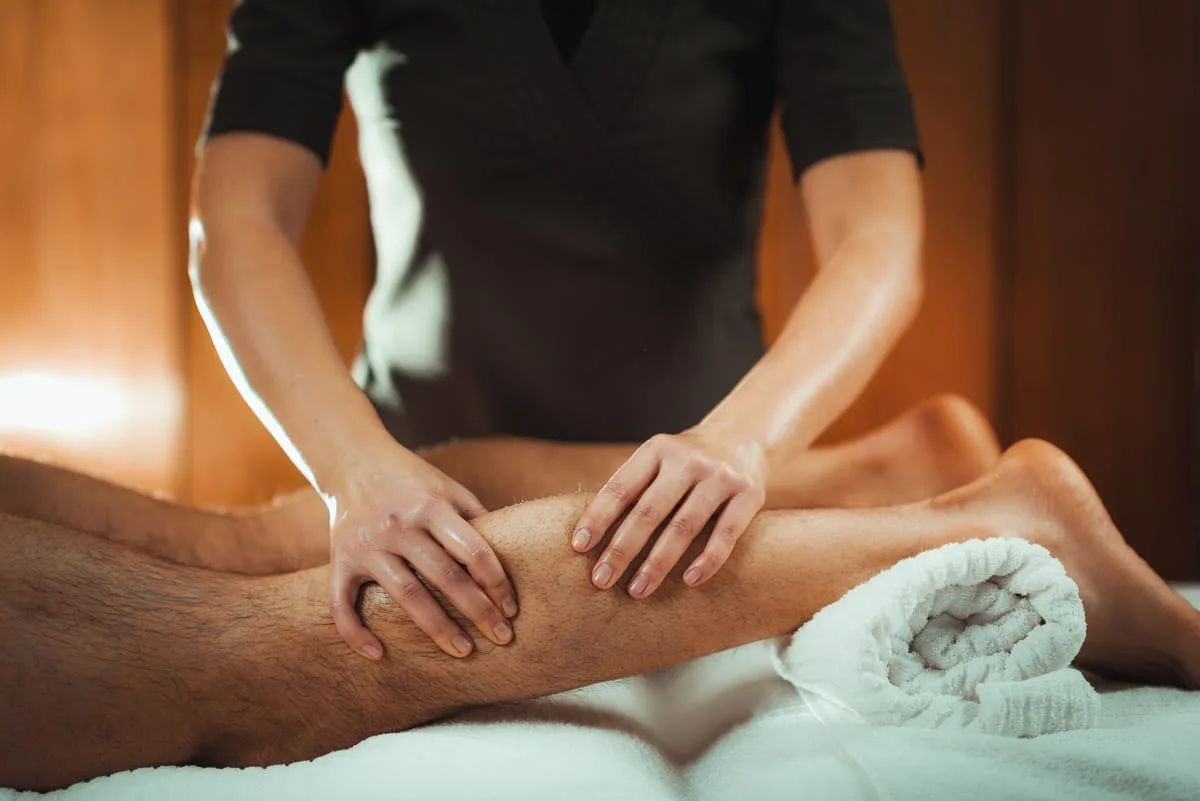
Lower leg pain massage targets the calf complex, the muscles along the shin, and the tissue around the Achilles tendon. It’s some of the densest muscle in the body and among the most neglected, which is why so many runners are surprised by how much is going on down there.
Leg muscle pain: quads, hamstrings, and hips
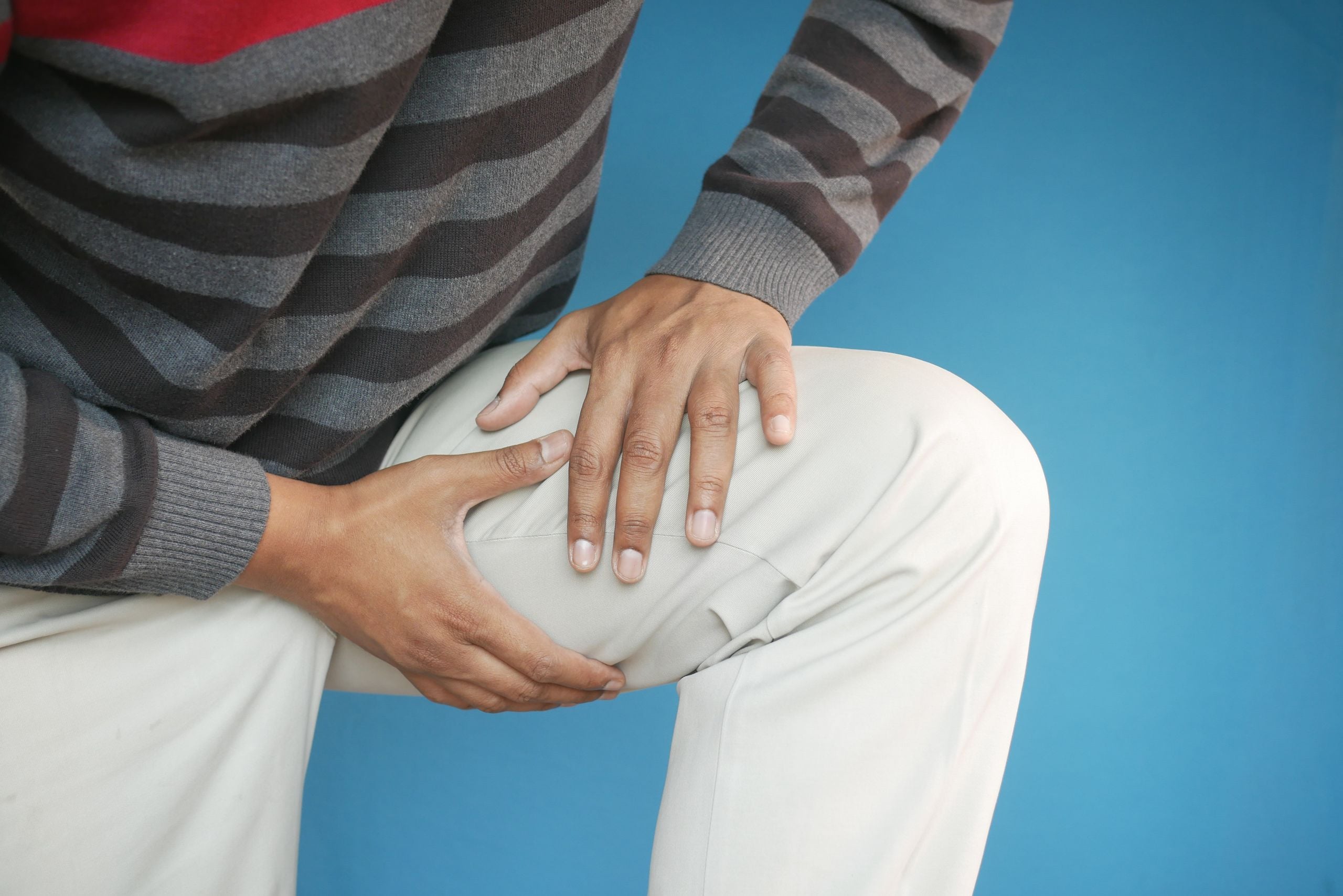
For leg muscle pain higher up, we work the quads, hamstrings, adductors, and the hip muscles that drive them. Deep tissue and trigger point techniques reach the tension that foam rolling never quite gets, including the knots that make hamstrings feel permanently short.
Your first visit
How your
session works
Every session starts with a look at how your legs actually move, and the treatment follows from what we find.
Assessment
Your therapist checks how you move, where the tension lives, and what your training or workday is asking of your legs.
Targeted Treatment
Deep tissue, trigger point therapy, and myofascial release applied where the assessment points, adjusted to your tolerance.
Education & Self-Care
Stretches, load advice, and recovery habits so the work holds between visits.
Start with an assessment
Get a treatment plan built around your body, your training, and your schedule.
Why us
Why Denver Sports Massage
This is a clinical practice, not a spa. Our selectively hired, licensed clinicians treat legs all day, from marathoners and cyclists to people who simply stand for a living, and they draw on 20+ modalities to fit the treatment to you. That approach has earned us a 4.9 rating on Google across 350+ reviews from clients around the South Denver metro.
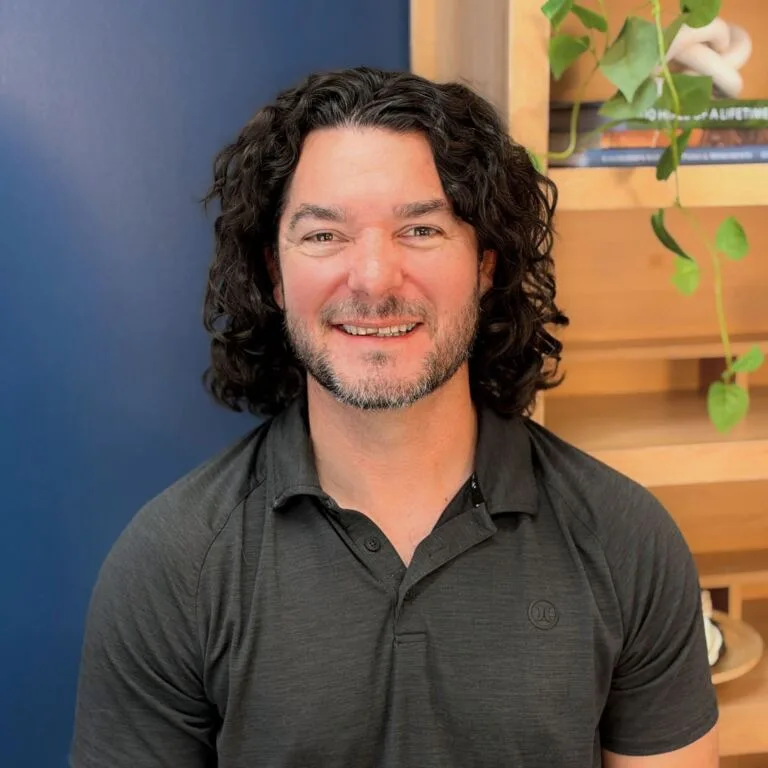
Jyoti Jason-Miller
Owner, LMT, BCMT Associate of Ocupational Studies (AOS), Orthopedic and Rehabilitation Specialist
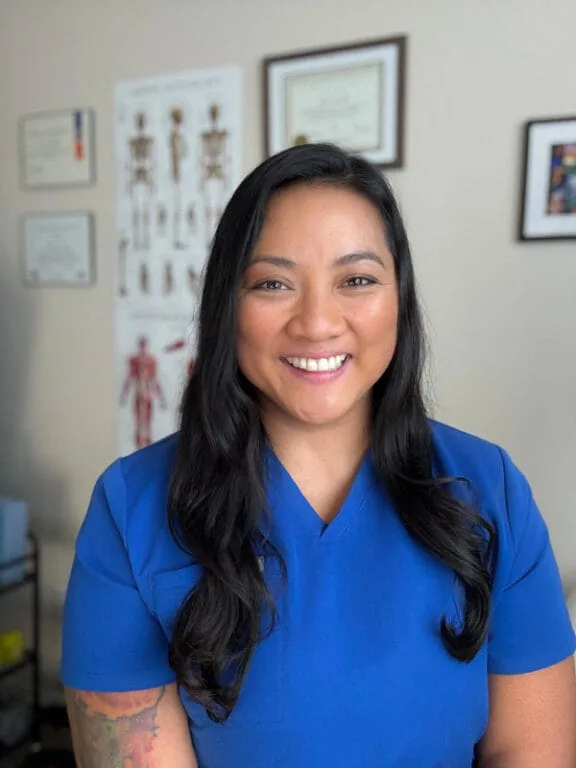


Dr. Ryan Taves
D.Ac, L.Ac, Dipl. Ac. (NCCAOM)®, BA Health Psychology, NPTI-PFT, Herbal Medicine & Integrative Health Certification
FAQ
Leg pain massage FAQs
Can massage help with leg muscle pain?
Yes, muscular leg pain is one of the things massage helps most reliably. Releasing tight fibers and improving circulation can reduce soreness, ease cramping patterns, and restore range of motion. If your pain has a non-muscular cause, your therapist will say so and point you to the right provider.
What helps tired, heavy legs?
Heavy legs usually mean accumulated muscle tension and slow recovery. Massage supports both by moving blood through fatigued tissue and releasing the tension that builds over weeks of training or long days on your feet. Pair it with the self-care your therapist recommends and the effect lasts longer.
Is massage safe for all leg pain?
Not quite all. Massage is a poor fit, and sometimes unsafe, for suspected blood clots, acute injuries that are still swelling, and certain circulation conditions. That’s part of why every session here starts with an assessment: it protects you and makes the treatment more effective.
How often should I come in for leg pain?
For an active flare-up, weekly sessions for a few weeks is a common starting point, then we space them out as your legs settle. Many athletes shift to a maintenance rhythm, monthly or around hard training blocks. Your therapist will recommend a schedule after seeing how your tissue responds.

Ready for legs that
keep up with you?
Book a session at our Greenwood Village clinic and get treatment matched to what your legs actually need.
Not sure what service to book? Call us, we’ll help you figure it out.
