

Self-Myofascial Release Guide
Keep the progress going
between sessions.
Self-myofascial release (SMR) is a self-massage technique that targets the fascia, the connective tissue surrounding your muscles. With a foam roller, a lacrosse ball, or just your hands, you apply slow, sustained pressure to tight spots to ease tension, improve flexibility, and help your muscles work the way they should. At Denver Sports Massage, we build SMR into most treatment plans so the work we do on the table keeps paying off at home.
SMR at a glance
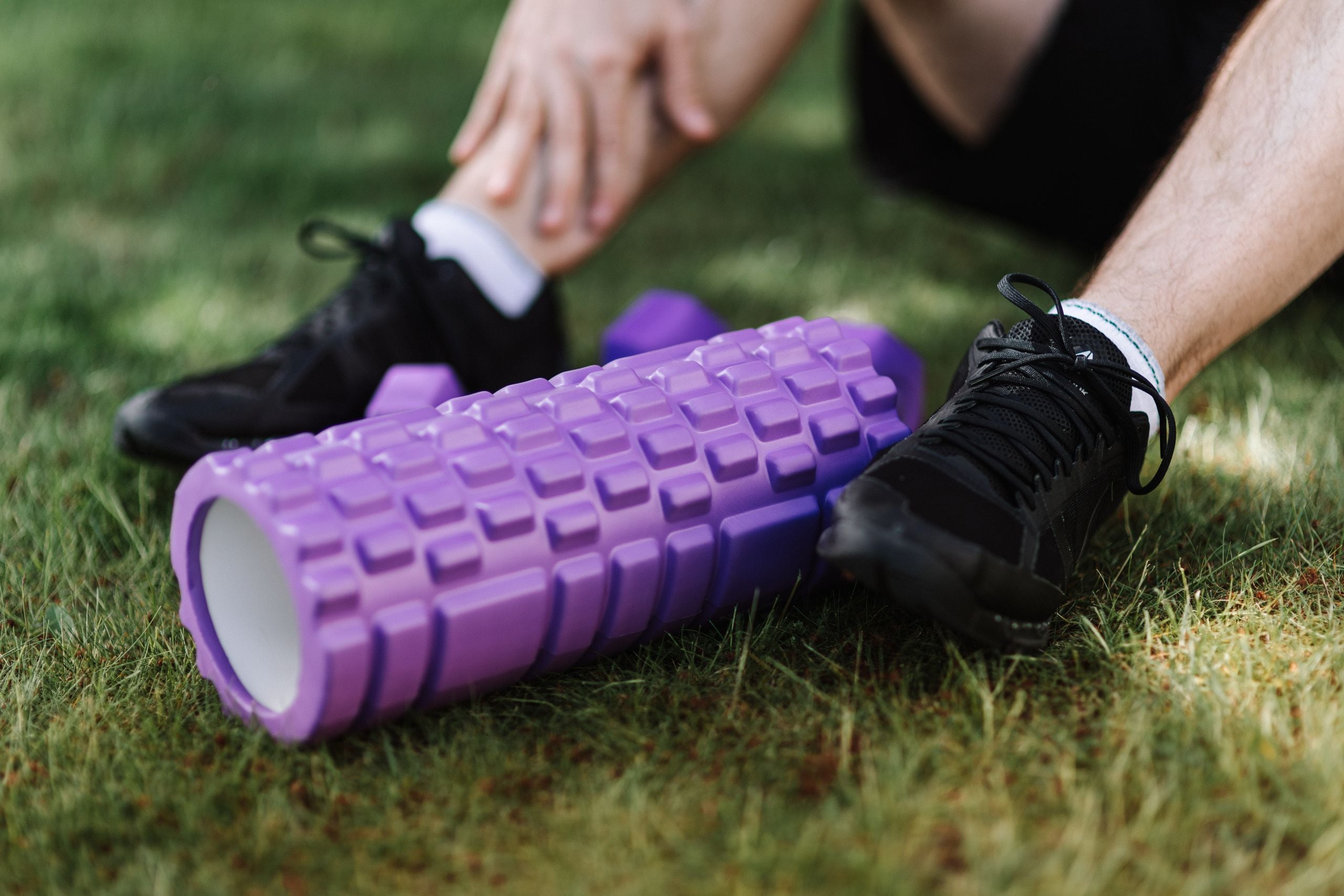
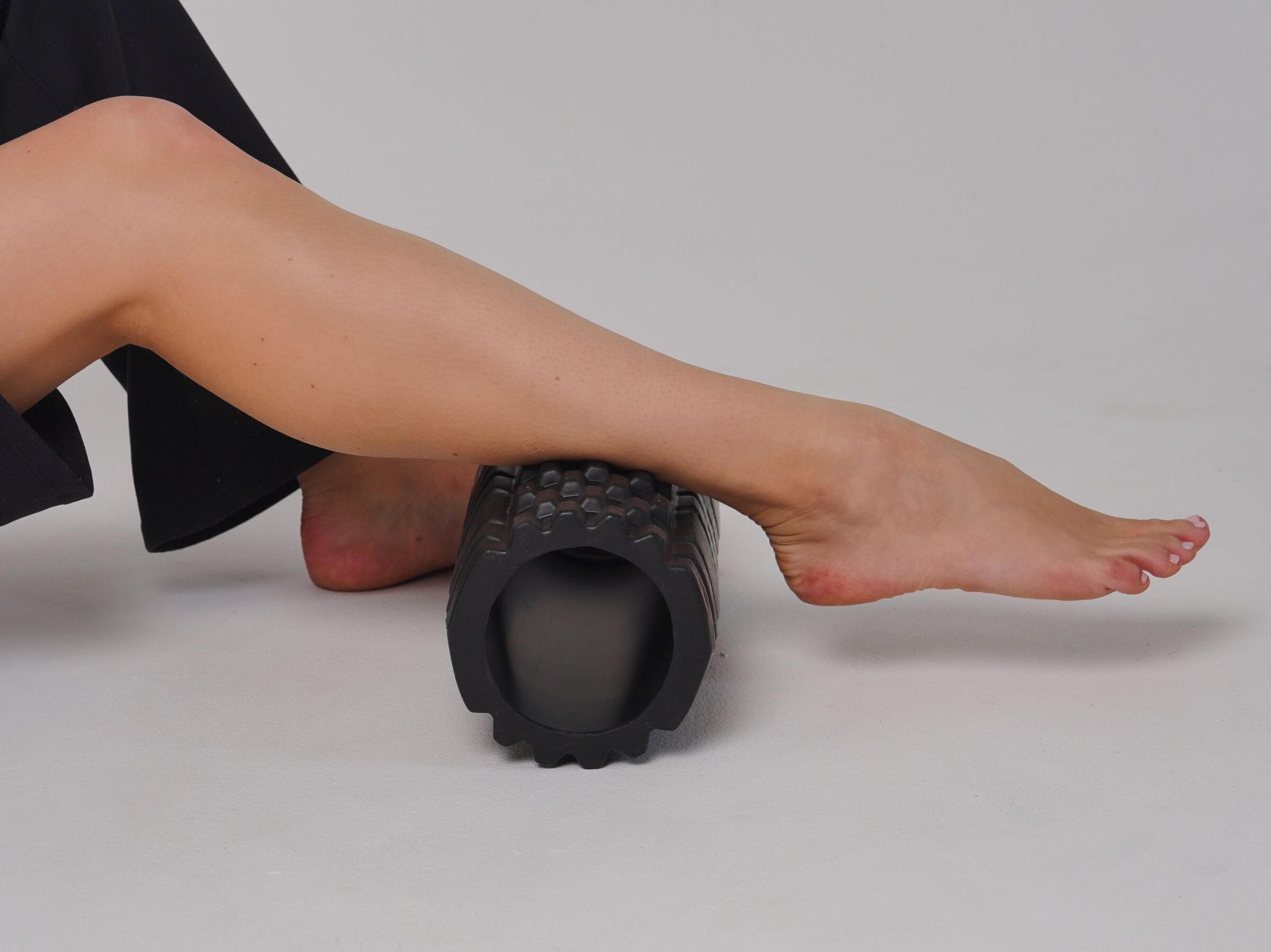
The basics
What is self-myofascial release?
Fascia responds to pressure. SMR uses tools like foam rollers, massage balls, and massage sticks to apply gentle, sustained pressure to trigger points in the fascia. Held long enough, that pressure helps the tissue relax, easing tension and restoring range of motion.
You don’t need to guess at any of it. Our therapists guide you through self myofascial release exercises in the clinic, on your own body, until you can run them at home as part of your regular training routine.
Why fascia matters
Fascia is a connective tissue system that wraps and separates muscles, organs, bones, and nerves. When you move, healthy fascia reduces friction, letting tissues slide over one another without damage.
Hard training, injuries, long days at a desk, and plain stress can all cause fascia to stiffen or form adhesions, the “knots” you can feel under your fingers. Those restrictions limit how you move and hold back athletic performance. SMR is designed to help release that tension and restore normal movement.
The benefits of self-myofascial release
Athletic Performance
When fascial tension eases, muscles move more efficiently. Better tissue quality supports the range of motion you need for dynamic movement, whether that’s a deep squat or an open running stride.
Pain Relief
Fascial restrictions and muscular imbalances are a common source of everyday aches. SMR can help by easing adhesions, supporting proper alignment, and increasing blood flow to the muscle.
Flexibility and Mobility
Regular SMR promotes elasticity in the fascia, which supports better posture and body mechanics and can reduce injury risk.
Stress Relief
Sustained pressure stimulates the nervous system in a calming way. Ten minutes with a foam roller at the end of the day is cheap therapy.
Warm-Up and Recovery
Before a workout, SMR increases blood flow and preps the tissue. Afterward, it helps reduce soreness and supports recovery.
The how-to
Foam rolling techniques to start with
Good foam rolling techniques are slow and deliberate, not a fast back-and-forth scrub. A few ground rules our therapists teach:
Roll Slowly and Pause on Tender Spots
Move about an inch per second. When you find a tender spot, stop and hold steady pressure for 20 to 30 seconds while you keep breathing. Tenderness that eases as you hold is the goal; sharp or radiating pain means back off.
Work the High-Value Areas
Calves, quads, glutes, and the upper back respond well to a roller. Smaller, stubborn spots like the hips or the bottom of the foot often do better with a lacrosse ball. Give each area 30 to 60 seconds.
Know Where Not to Roll
Skip bony joints and don’t grind directly on your lower back. Roll the muscle, not the spine. If an area is injured, swollen, or recently strained, ask your therapist before working on it yourself.
Start with an assessment
Get a treatment plan built around your body, your training, and your schedule.
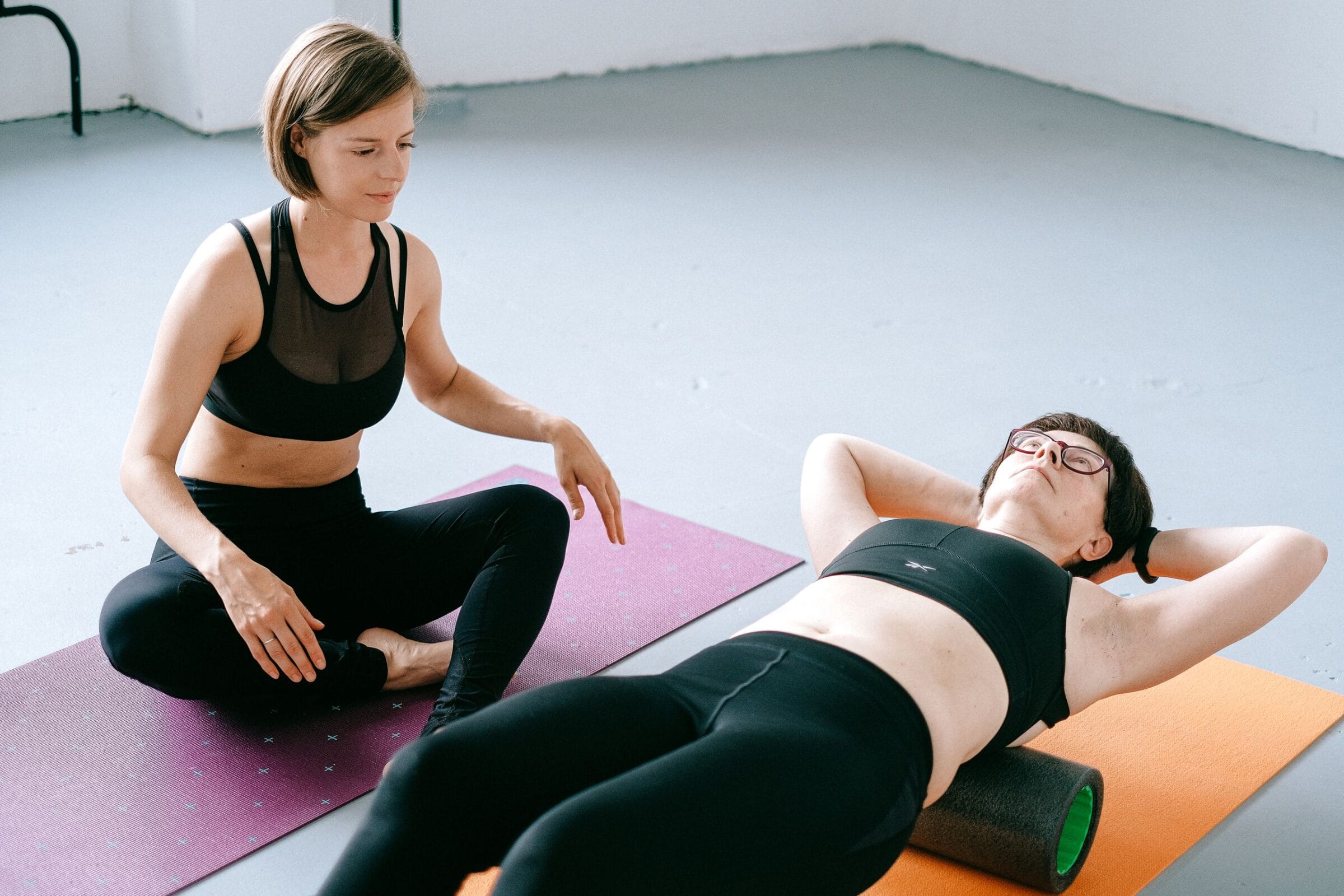
How we teach SMR at Denver Sports Massage
Self-treatment works best when it’s specific. Every session at our Greenwood Village clinic starts with an assessment, so the SMR homework you leave with targets your actual restrictions rather than a generic routine off the internet. Your therapist shows you the right tools and positions for your body and your sport, then checks your technique at follow-up visits.
SMR also pairs well with hands-on care. If you’re looking for myofascial massage in Denver from a licensed clinician, that’s the other half of what we do, and the two together work better than either alone.


“Had a truly restorative experience with Gabriel, and the staff were fantastic from check-in through the entire process. Looking forward to my next visit!”
Yomi Olufowoshe · Google Review · Verified
“Absolutely the best! Listened to my situation and was logical in her approach to treating me. Went well beyond what I anticipated to help me understand the nature of my ailments and what can be done to help me with practical exercises.”
Dave Conner · Google Review · Verified
“I’ve been coming to Denver Sports Massage for nearly 2 years and Jyoti is the best. He really understands my body and what it needs. Highly recommend.”
Sherry-Ann Dombrowski · Facebook Review

Ready to take recovery
into your own hands?
Learn SMR from therapists who use it every day. Call (303) 630-9603 or book online, and we’ll build a self-care routine around your goals.
Not sure what service to book? Call us, we’ll help you figure it out.
