

Acupuncture for Anxiety in Denver
Calm your mind with needles: acupuncture strategies to ease anxiety and stress
Denver’s high-energy pulse, with its endless trails, demanding careers, and thin air, can quietly fuel racing thoughts, restless nights, and a nervous system stuck in overdrive. The altitude alone subtly shifts oxygen delivery, nudging cortisol higher and making every deadline or late-night worry feel heavier. Anxiety and chronic stress erode focus, sleep, and joy, turning vibrant days into exhausting battles.
Acupuncture for anxiety offers a gentle, evidence-informed reset in Denver, using ultra-thin sterile needles to help calm the mind, regulate cortisol, and restore nervous system balance. At Denver Sports Massage, our licensed acupuncturists craft personalized sessions that quiet mental chatter and build lasting resilience, helping you move through life with clarity and ease. From high-stakes meetings to post-hike recovery, this approach helps you find peace without dulling your edge, so you stay sharp and steady no matter the elevation.
Anxiety relief at a glance
Ancient art, modern science
The ancient art and modern science of acupuncture for mental calm
Roots in tradition
In Traditional Chinese Medicine, anxiety comes from an unsettled shen, your inner spirit housed in the heart, or from stuck energy in the liver and kidneys. When liver qi stagnates, irritability and overthinking take over. When kidney essence runs low, fear and restlessness rise. Acupuncture gently guides everything back into flow, calming the heart, smoothing irritability, and grounding restless energy so your mind can rest. It treats the emotional heart as much as the physical one, addressing the root of worry rather than just the surface noise.
Backed by modern research
Does acupuncture help anxiety? Research points to yes. The needles trigger your rest-and-digest system (parasympathetic activation), support feel-good brain chemicals like serotonin and GABA, and quiet the amygdala, the brain’s fear center. Functional MRI studies show reduced activity in stress-processing regions, while heart-rate variability (HRV) metrics confirm improved vagal tone. In plain terms: your body learns to downshift from fight-or-flight into calm-and-connect.
Why it matters in Denver
Denver sits high enough that thinner oxygen can amplify cortisol responses through mild hypoxia. Acupuncture helps your body adapt by improving blood flow to the brain, supporting oxygen use, and easing the physical side of anxiety. It’s a natural tool for feeling steady at elevation, for lifelong locals and visitors alike.
Key results
Proven benefits of acupuncture for anxiety and stress reduction in Denver
Most people feel lighter within 2 to 4 sessions, with deeper calm and confidence growing over 6 to 12 weeks. Unlike sedatives, acupuncture supports your natural ability to cope, without dependency or foggy mornings.
Whole-person care
How acupuncture complements
therapy and medication
Acupuncture fits well alongside therapy, medication, or mindfulness, and often helps everything work better together. It lowers physical tension so CBT insights land deeper and stick longer. For those on SSRIs, it can support mood stability; any medication changes belong with your prescriber, and acupuncture can make that conversation easier. It also makes meditation more accessible by calming the body first, quieting the racing pulse or tight chest that pulls you out of the moment.
If you prefer to avoid medication entirely, acupuncture stands strong on its own, and in some clinical trials it has outperformed relaxation apps, breathing exercises, and sleep aids. For trauma and PTSD, it helps release stored stress from the body and can support EMDR or exposure therapy by reducing hypervigilance. We sync with your mental health team, schedule around therapy or work, and share progress notes when helpful, so care stays smooth and unified.
Complementary services
Complementary services to enhance
stress-relief acupuncture
We blend Traditional Chinese Medicine tools with acupuncture to release stress from every layer: body, energy, and emotions. Each modality targets a different piece of the stress puzzle.
Acupuncture
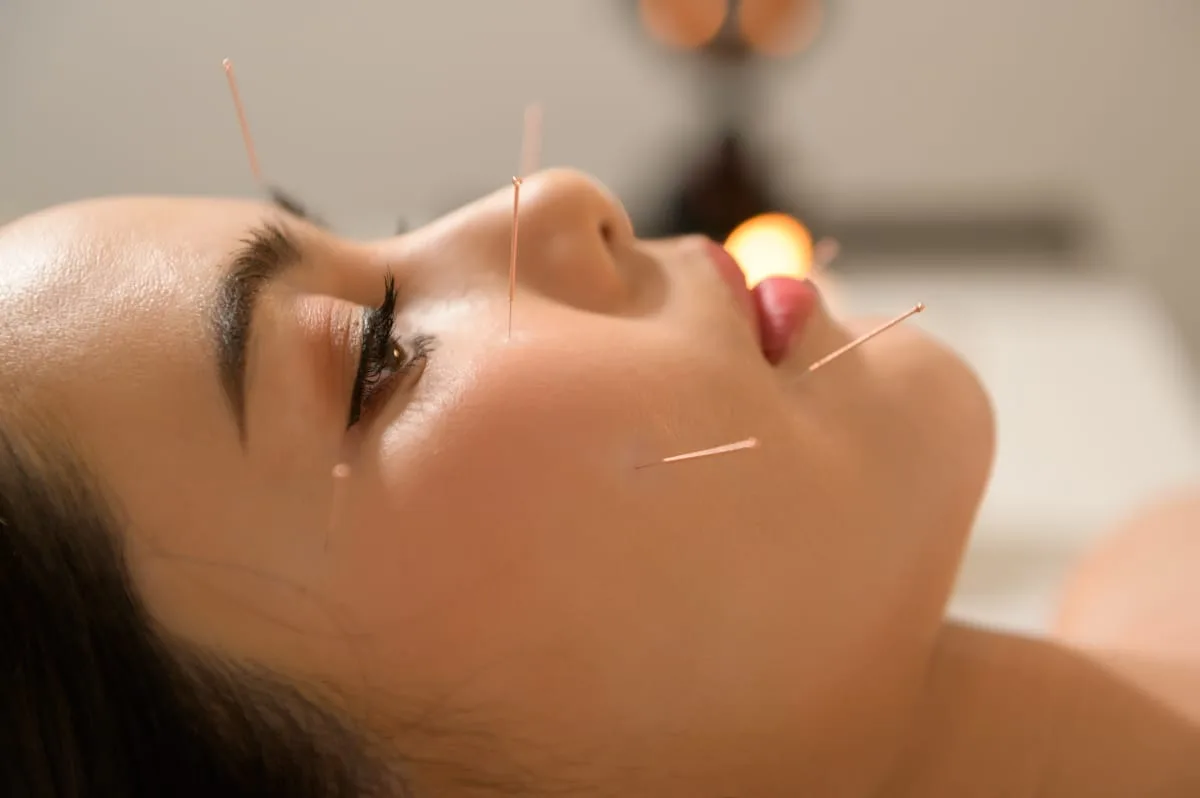
Ultra-thin needles along heart, mind, and grounding pathways calm racing thoughts and anchor restless energy, often using ear points like Shenmen for quick calm. Many patients feel a wave of heaviness within minutes.
Moxibustion
Warm mugwort heat applied near the skin soothes chest tightness and the sensation of heart palpitations. The gentle warmth penetrates deep and can ease that weight-on-the-chest feeling, especially on cold Denver nights.
Gua Sha
Gentle scraping on the scalp, face, or neck releases jaw clenching, tension headaches, and emotional buildup stored in the head and shoulders. It’s like a deep exhale for your nervous system.
Trigger Point Acupuncture
Releases tight neck, shoulder, and scalp knots that hold chronic stress, restoring deep breathing and interrupting the pain-anxiety cycle. Ideal for desk workers or anyone carrying the world on their shoulders.
Tuina
Rhythmic massage along the spine and head drains excess mental energy, supports circulation, and brings mental clarity. Think of it as a targeted reset for an overactive mind.
Electro-Acupuncture
Soft electrical pulses through ear or scalp needles support endorphin release and vagal tone. It’s a good fit for acute panic, stubborn anxiety, or times when you need reliable calm fast.
Fire Cupping
Warm glass cups along the upper back lift deep tension, open the chest, and create space for emotional release, leaving you lighter, grounded, and breathing easier.
Together these build a full-body calm that lasts beyond the session. You walk out not just relaxed, but reset.

Try these
Daily practices to amplify acupuncture’s calming effects
These habits turn acupuncture into a lifestyle of calm, where your environment supports your peace instead of your stress.
What to expect
Your stress-relief acupuncture session:
what to expect
First Visit
Your first visit is a calm, private conversation. We’ll go over stress triggers, sleep patterns, work pressure, and how altitude affects you. We check your pulse and build a clear, phased plan, often weekly at first if anxiety is high, then tapering as you stabilize.
During Treatment
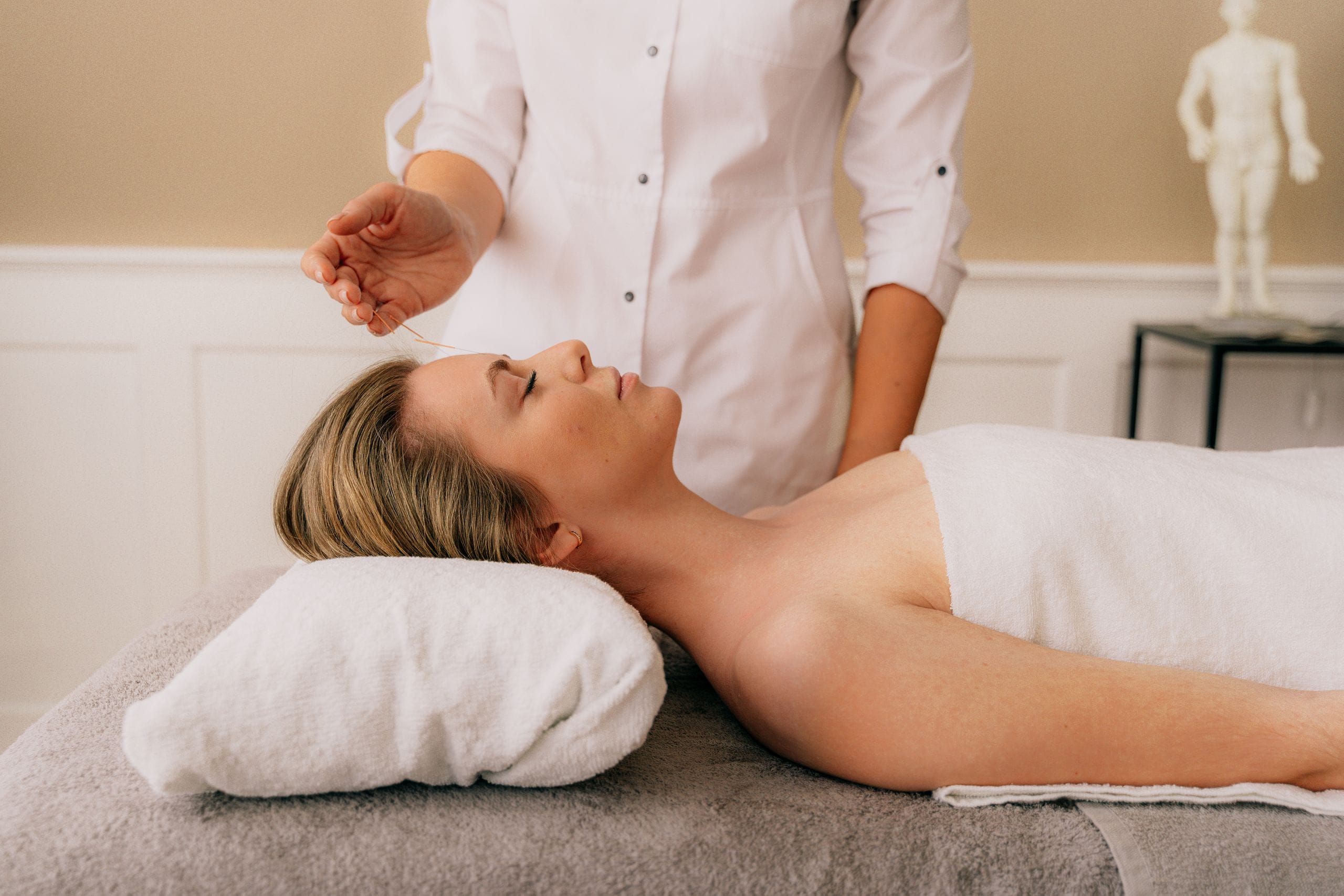
You’ll rest in a dim, quiet room with soft ambient sounds and far-infrared warmth. Needles go in gently at the scalp, ears, wrists, ankles, and sometimes the abdomen. Most people feel a soothing heaviness, warmth, or gentle pulse, nothing sharp. Sessions last 35 to 45 minutes, and many patients drift into light sleep or deep meditation. We check in quietly to keep you comfortable.
Aftercare
Afterward we suggest hydration, a short grounding walk, or an herbal tea like chamomile or lemon balm to prolong the calm. Skip caffeine and intense workouts for a few hours and let the reset settle.
Follow-Ups
We adjust based on how you feel. Less worry? Better sleep? Steadier under pressure? We track simple wins: mood logs, sleep quality, or how you handled a tough meeting. Most people feel lighter in 3 to 5 visits, with deeper resilience building over 6 to 12 weeks. Maintenance every 4 to 6 weeks helps keep stress from creeping back, whatever the season or schedule.
Common patterns
Addressing common anxiety patterns with acupuncture
Every stress story is different, and acupuncture adapts. We don’t treat labels; we treat you.
This flexibility makes acupuncture a useful tool for everything from everyday stress to clinical anxiety. It scales with your needs.

Book your appointment today with Denver Sports Massage
Ready to find your calm?
Not sure what service to book? Call us, we’ll help you figure it out.
