

Our Clinical Massage Approach
Massage that starts with why it hurts, not just where.
Every session at Denver Sports Massage begins with an assessment, because lasting relief depends on understanding the problem first. Here is how we work.
Our approach at a glance
Why it works
What makes clinical massage different
Our clinical massage approach in Denver rests on one idea: treat the cause, not just the spot that hurts. Runners with stubborn hamstrings, desk workers with locked-up necks, people carrying pain they have stopped trying to explain. They all start the same way here, with a therapist asking questions and watching how they move before anyone touches a muscle.
A relaxation massage works the areas that feel tight and sends you home. Nothing wrong with that. But when the same spot keeps flaring up after every long run or every week at the desk, feel-good pressure is not enough.
Clinical massage is goal-directed. Your therapist forms a working theory about what is driving the problem, treats the tissue involved, and then checks whether anything changed. If it did, we build on it. If it did not, we adjust rather than repeating the same session and hoping.
That discipline is the difference. It is why our team is selectively hired, every clinician is licensed, and each one keeps learning long after massage school.
How we work
How a sports massage session works
Three steps, every visit. The order never changes, because each step earns the next one.
Assessment
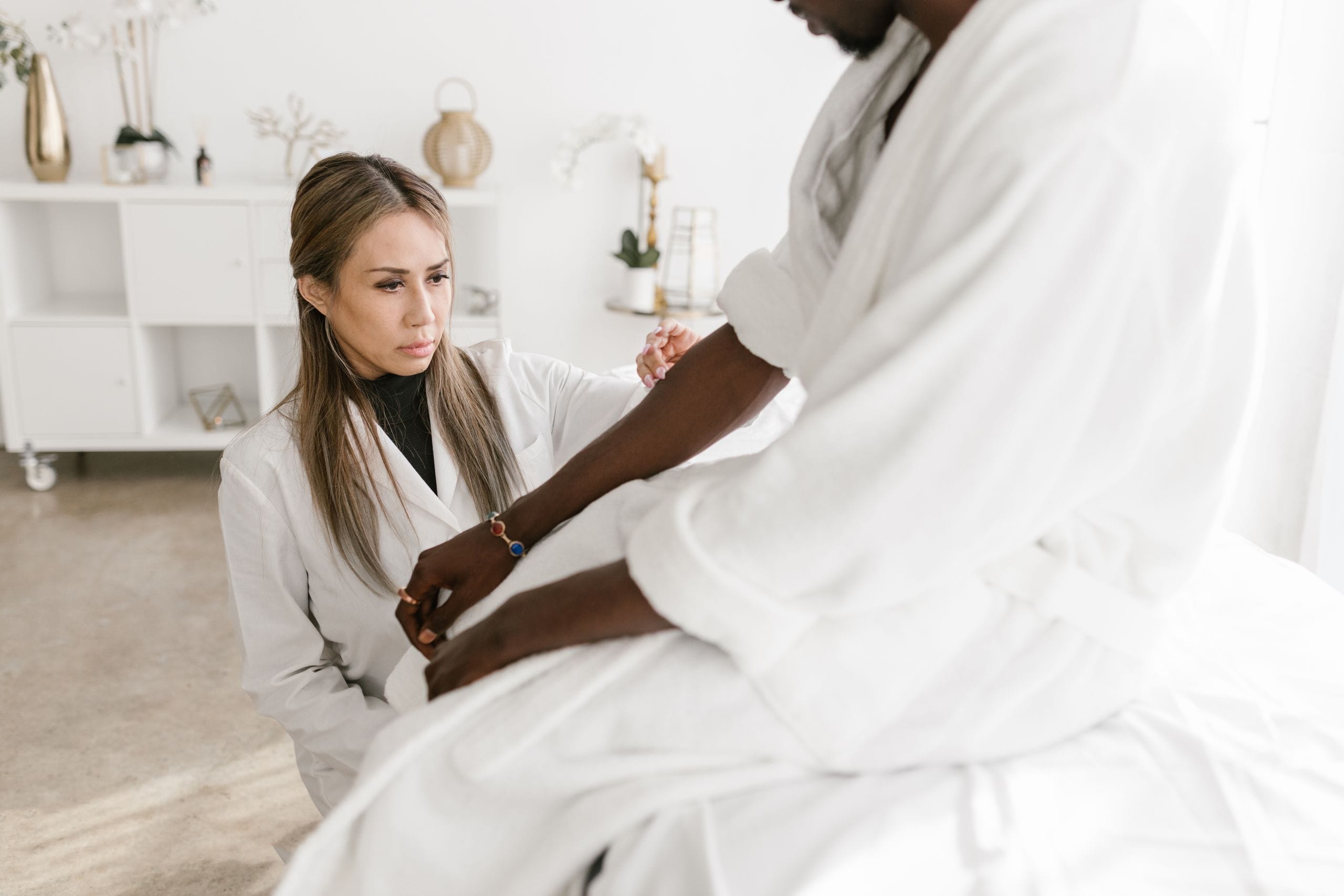
Your therapist starts with your history and your goals, then looks at how you actually move: where you are restricted, what compensates, what your training or workday asks of your body. A few minutes of assessment saves a lot of guessing on the table.
Targeted Treatment
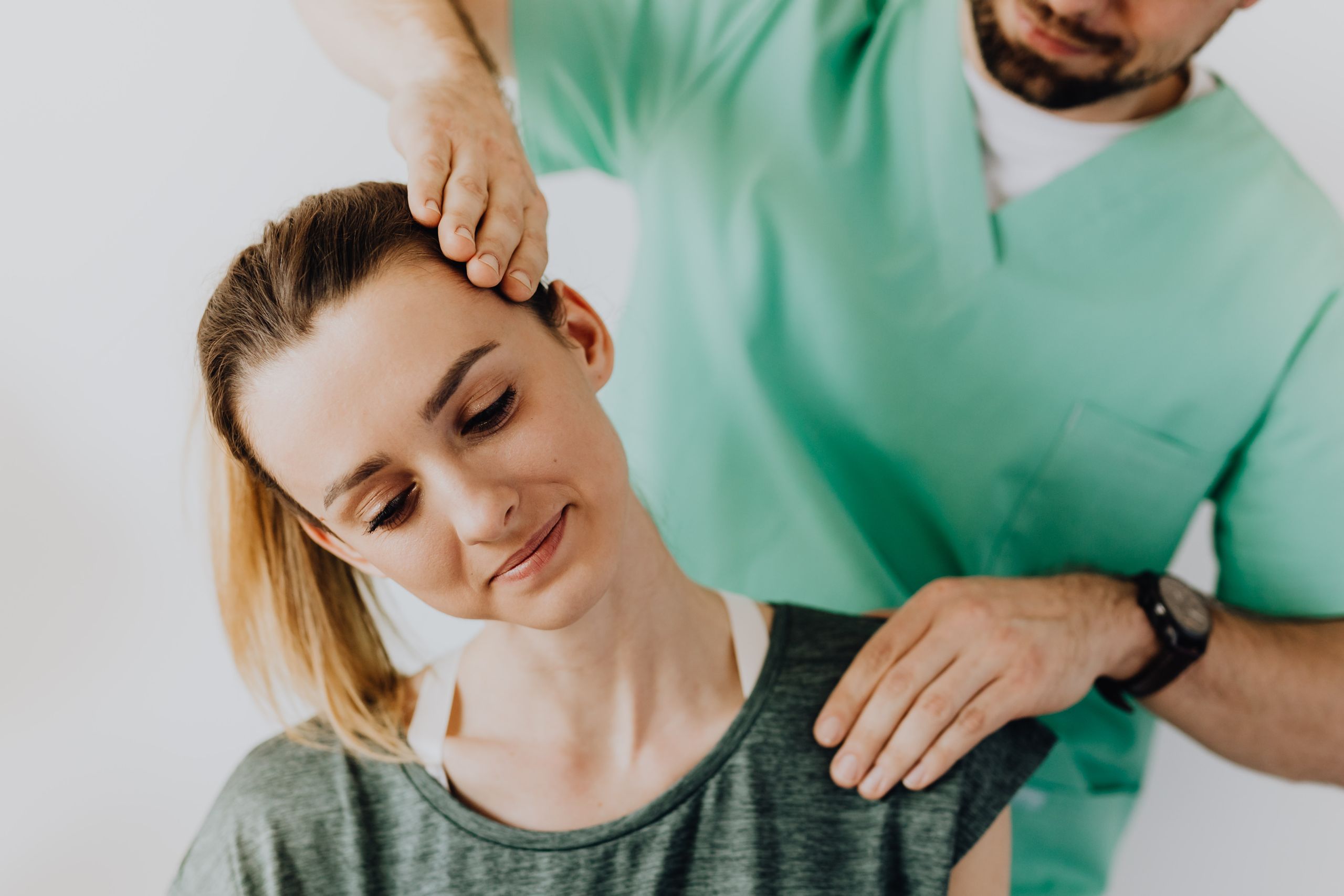
With a working theory in place, your therapist chooses from more than 20 modalities: deep tissue, myofascial release, trigger point work, cupping, sports massage, and others. The technique serves the goal, never the other way around. Pressure is calibrated to your tissue that day, not to a script.
Education and Self-Care
Before you leave, you will know what we found and what to do about it. That usually means one or two specific stretches or movement changes, not a long homework list you will never do. Understanding your own body is part of the treatment.
Start with an assessment
Get a treatment plan built around your body, your training, and your schedule.
Our standards
Evidence-based bodywork
Evidence-based does not mean cold. It means your therapist can tell you why they chose a technique and what they expect it to do. We use methods with real support behind them, we talk about what massage can and cannot do, and we say “helps relieve” instead of promising cures, because that is the honest claim.
It also means playing well with the rest of your care. Already seeing a physical therapist, chiropractor, or surgeon? Bring your notes. We are glad to support an outside rehab plan rather than work around it, and our licensed acupuncturists offer another evidence-informed option under the same roof.
Beyond the table
Movement is medicine
The hour on the table matters. The other 167 hours in your week matter more. That is why self-care education is built into every session instead of being an afterthought on your way out the door.
Movement is medicine, and our job is to help you keep taking it: restoring the range of motion you need and showing you how to keep it, so you can trust your body again. The goal is simple, and we mean it — we want you to need us less often, not more.


Ready to find out
what is actually going on?
One assessment is usually all it takes to see the difference.
Not sure what service to book? Call us, we’ll help you figure it out.
Explore More
You might also find useful
New Clients
What your first visit looks like, from intake to follow-up.
Treatable Conditions
The injuries and pain patterns we work with most.
Pricing
Straightforward session pricing, no surprises.
