

Scoliosis Massage in Denver
The curve is structural. Most of the pain isn’t.
Scoliosis massage in Denver for the part of your condition that soft tissue work can actually change: the muscle imbalance, trigger points, and stiffness the curve creates. Clinical, assessment-led care at our Greenwood Village clinic.
Scoliosis at a glance
What scoliosis is
How scoliosis affects your muscles
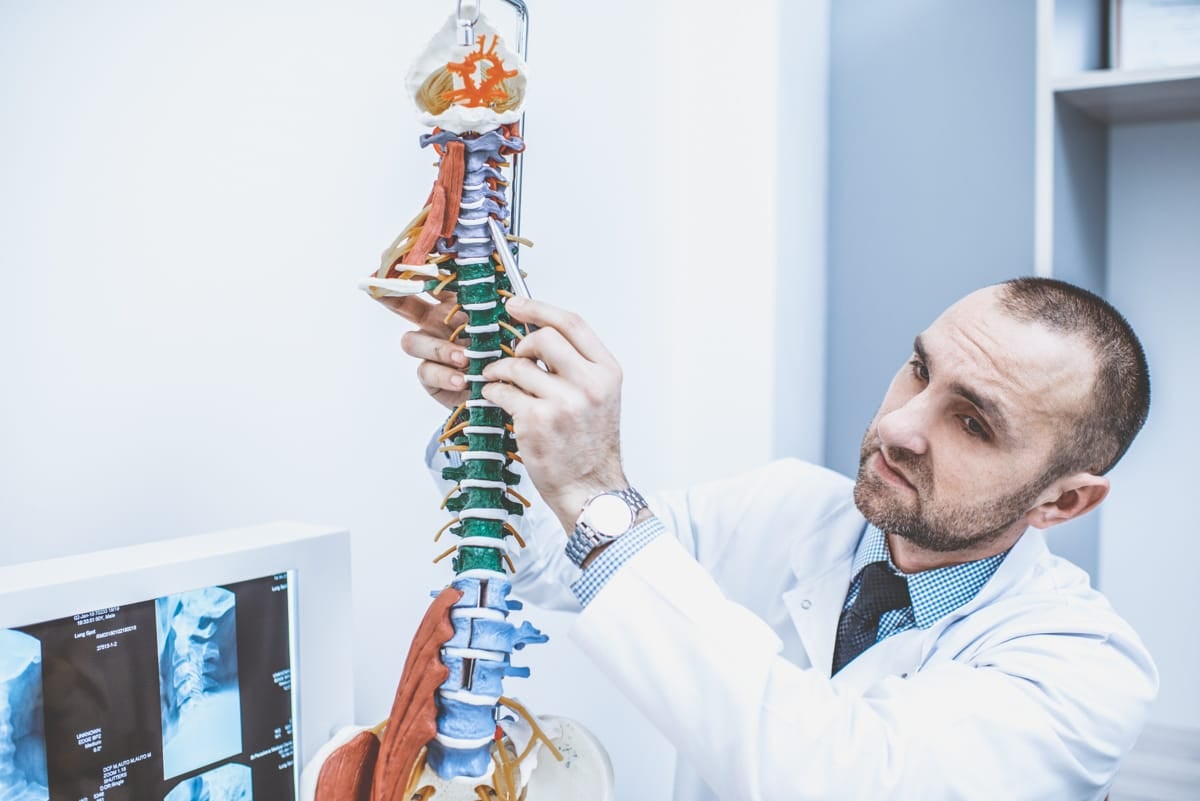
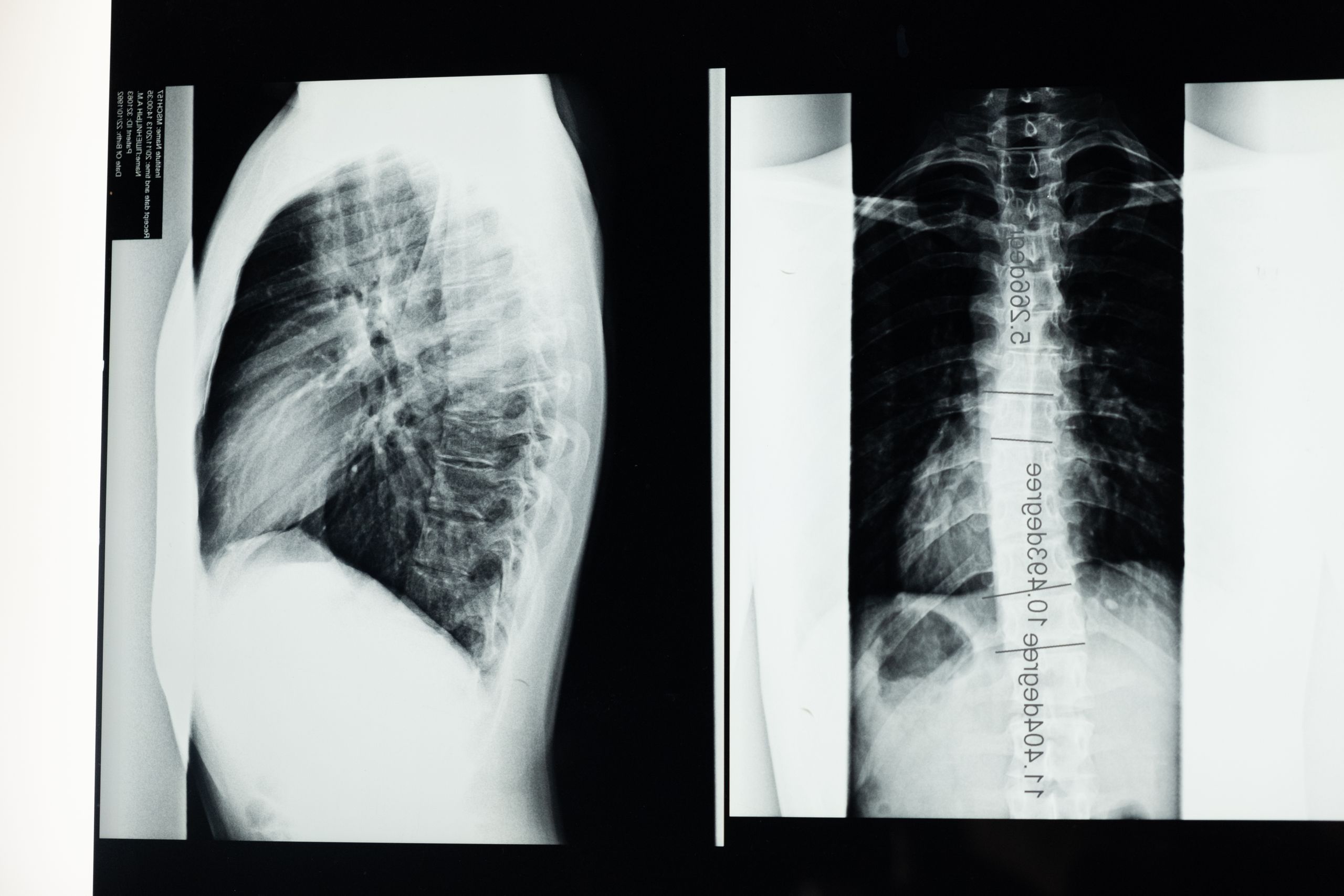
Scoliosis is a sideways curvature of the spine that usually includes a rotational twist, with the vertebrae turning toward the convex side of the curve. It most often affects the thoracic spine and shows up in adolescence, though adult-onset degenerative scoliosis is increasingly common. Severity is measured by the Cobb angle: curves under 20 degrees are typically monitored, 20 to 40 degrees may be braced, and larger curves are sometimes considered for surgery.
Whatever the angle, the soft tissue consequences follow a predictable script. Muscles on the concave side of the curve run short and overloaded. Muscles on the convex side run long and inhibited.
That asymmetric loading, rather than the curve itself, drives most day-to-day scoliosis pain, feeding deep paraspinal trigger points, quadratus lumborum asymmetry, and rib cage restriction.
Our approach
Scoliosis pain relief massage:
how we treat it
Massage for scoliosis at DSM starts from your specific curve rather than a template. The assessment establishes which side is compressed and which is lengthened, where the active trigger points sit, and which of your movement restrictions are muscular rather than structural. Treatment then goes exactly there: deep paraspinal work on the concave side, trigger point deactivation through the QL and shoulder girdle, and myofascial release for the rib cage and the fascial restrictions years of asymmetric loading leave behind.
Done regularly, scoliosis pain relief massage reduces the pain burden and slows the progressive muscle imbalance that compounds a structural curve over time. Clients also tend to notice easier breathing and freer rotation, since the rib cage carries so much of the restriction.
Your first session
Your first session,
step by step
Curve and Movement Assessment
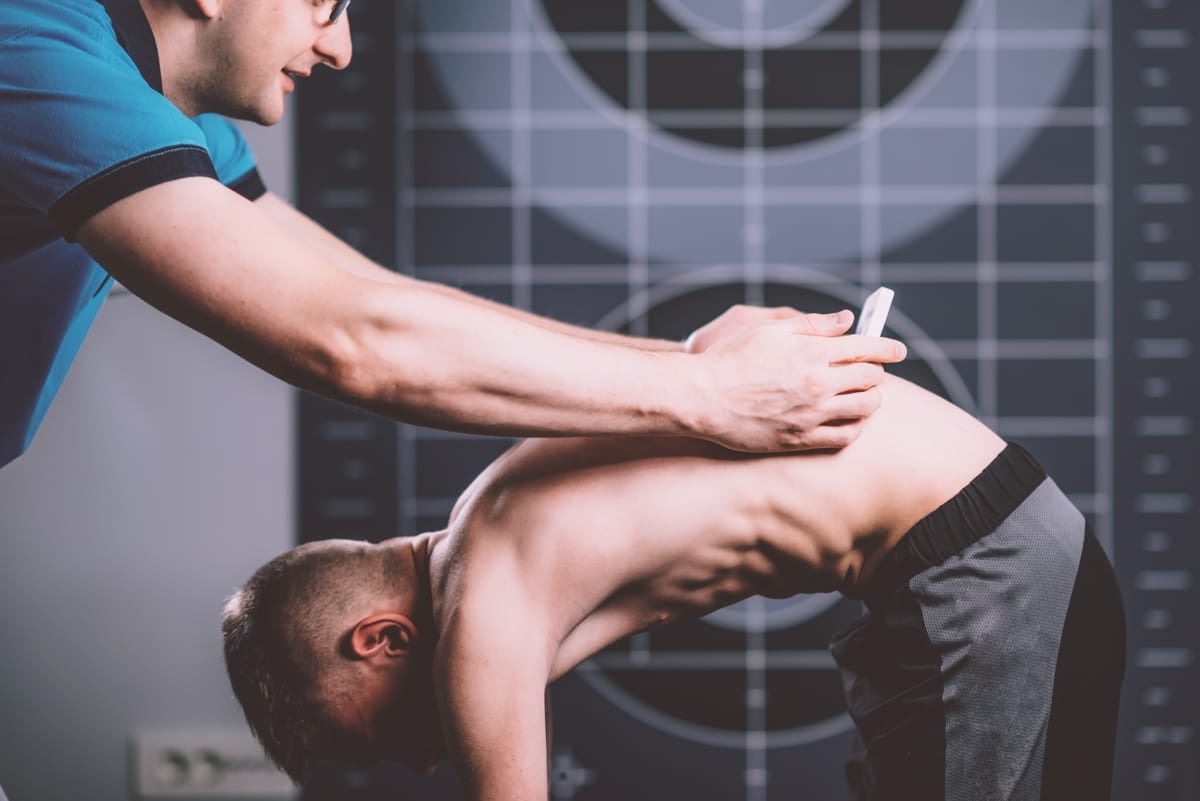
We observe your curve pattern, assess the asymmetric loading, palpate the paraspinals and surrounding muscle groups, and screen movement to separate muscular restriction from structural limit.
Targeted Treatment
Deep tissue, trigger point, and myofascial work matched to your asymmetries, with positioning adjusted for your curve and comfort.
Home Guidance
Stretches for the compressed side, activation work for the inhibited side, and daily-life guidance that helps you manage symptoms between sessions.
Start with an assessment
Get a treatment plan built around your body, your training, and your schedule.
Where we fit
Scoliosis treatment in Denver: where massage fits
Scoliosis treatment in Denver usually involves an orthopedist, physiatrist, physical therapist, or chiropractor managing the structural side through monitoring, bracing, or rehab. Our role sits alongside theirs. We treat the muscular layer those interventions can’t directly reach, and many clients get their best results running both concurrently.
Bring your X-rays, Cobb angle measurement, or MRI to your first visit if you have them; the structural picture genuinely informs the hands-on work. If you wear a brace, tell us, since some positions need modification. No referral is required.
“Absolutely the best! Listened to my situation and was logical in her approach to treating me. Went well beyond what I anticipated to help me understand the nature of my ailments and what can be done to help me with practical exercises.”
Dave Conner · Google Review
FAQ
Frequently asked questions
about scoliosis massage
Can massage straighten my spine?
No. Massage cannot change bone structure or reduce the Cobb angle of a structural curve. What it can do is reduce the muscular share of your pain, improve how you move, and slow the muscle imbalance that builds on top of the curve. Pain relief and function are the honest goals.
Is massage safe with scoliosis?
Yes, in the hands of a clinician who understands your curve. Direction of curvature, rib prominence, reduced lung capacity in severe cases, and any osteoporosis risk all shape positioning and technique. Share your diagnosis, imaging, and treating providers at intake.
Should I keep seeing my chiropractor or physical therapist?
Yes. They address joint mechanics and movement rehab; we address the muscle imbalances, trigger points, and fascial restrictions their methods don’t directly treat. The two approaches complement each other.
Does massage help adult degenerative scoliosis?
It often helps considerably, because so much adult scoliosis pain is muscular. Sessions are adapted for arthritic changes and any bone density concerns, with the same goal: less pain, better movement.

Book your session
Wondering how much of your scoliosis pain is treatable?
Probably more than you think. Book an assessment and find out what the muscular side of your curve is doing, and what we can do about it.
Not sure what service to book? Call us, we’ll help you figure it out.
Related conditions
You Might Also Find Useful
Kyphosis
Excessive upper back rounding, treated through the chest and shoulder girdle.
Lordosis
An exaggerated lower back arch driven by the hip flexors.
Myofascial Release
The technique we lean on for long-standing fascial restriction.
