

Chronic Pain Massage in Denver
When it’s been going on too long.
Months of pain. Multiple providers. Relief that never lasted. If that sounds familiar, you’re not out of options. Chronic pain massage at our Greenwood Village clinic starts with a full assessment to find what has been driving your pain, then builds a real plan to address it.
Chronic pain at a glance

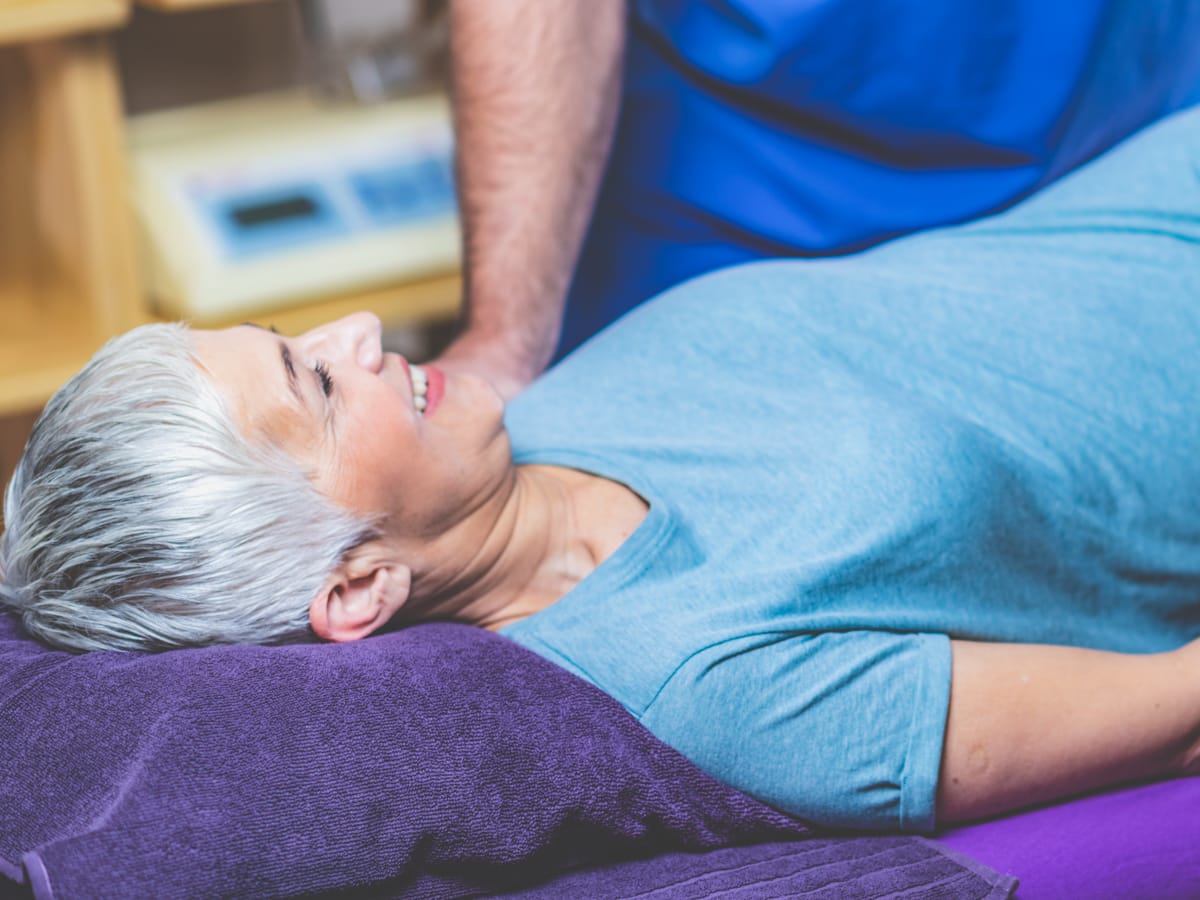
Understanding chronic pain
Why pain persists after the injury has healed
Pain becomes chronic when it outlasts the normal healing window, usually three months or more. By then it is rarely just an unhealed injury. Through a process called central sensitization, the nervous system gets better at producing pain signals even without ongoing tissue damage. The alarm keeps ringing after the fire is out.
That explains symptoms out of proportion to imaging, sensitivity to things that shouldn’t hurt, and treatments that wore off in a day. Lasting chronic pain relief in Denver has to address both the tissue restrictions feeding the nervous system and a nervous system that has learned to overreact. Clinical massage can work on both, calibrated so it calms your system instead of provoking it.
20% of adults live with chronic pain. 50% of chronic pain patients report inadequate relief from their current treatment.
What drives it
The patterns we see
most often
🔁 Persistent musculoskeletal pain
Back, neck, hip, and shoulder pain that has been around for months or years, cycling between improvement and flare.
🩹 Post-injury pain that never fully left
The original injury or surgery healed, but the guarding patterns that developed during recovery still generate symptoms.
🪑 Occupational overuse and postural pain
Years of sustained postures and repetitive movement load the same structures until the body stops compensating. Deeply ingrained, but responsive to consistent treatment.
🌊 Fibromyalgia and widespread pain
Widespread pain, fatigue, and heightened sensitivity. Gentle myofascial work is among the better-supported hands-on approaches; we never use aggressive pressure here.

How we treat it
How chronic pain massage helps
Most short-lived results come from chasing symptoms. Our clinicians assess first, then treat the specific structures keeping the cycle going, with pressure matched to your sensitivity. Deeper isn’t always better.
Deep Tissue and Orthopedic Work
Targeted deep tissue massage for the fascial restrictions and adhesions feeding ongoing pain input.
Myofascial Release
Sustained, gentle pressure on fascial restrictions. Myofascial release suits widespread pain and fibromyalgia, where aggressive technique would aggravate rather than help.
Neuromuscular Therapy
Precise trigger point work on the hyperirritable spots in muscle that generate local and referred pain.
Highly sensitized or mid-flare? We start with gentle positional release that calms without loading irritated structures. Some clients also pair their pain management massage plan with acupuncture for chronic pain here at the clinic. And if you’re seeing a doctor, physical therapist, or pain specialist, tell us. We work alongside outside providers regularly.
What to expect
A different kind of
first appointment
Chronic pain needs more intake time. We build it in.
Full History Intake
When it started, what you’ve tried, what helped temporarily, what made it worse.
Structural Assessment
Movement screening, palpation, and pain pattern mapping to find what’s driving your symptoms.
Calibrated Hands-On Work
Intensity matched to your current state, so early sessions don’t trigger flares.
Written Treatment Plan
What we found, what we’re targeting, a realistic session count, and what to track between visits.
Start with an assessment
Get a treatment plan built around your body, your training, and your schedule.
FAQ
Chronic pain massage
FAQs
Why Would Massage Help When It Only Lasted a Day or Two Before?
Short-lived relief usually means the session treated where it hurt rather than what was driving it. A coordinated plan works the actual drivers, so results accumulate instead of resetting.
How Many Sessions Does Chronic Pain Massage Take?
As a rough guide, pain present under a year often responds in 6 to 10 sessions; long-standing pain may take 10 to 16. You get a written estimate after your first session.
Can You Work With My Doctor, Physical Therapist, or Pain Specialist?
Yes, and ideally you’d keep them in the loop. Massage complements medical care and outside rehab. Bring any reports or restrictions and we’ll work within them.
My Imaging Looks Normal. Does That Mean the Pain Is in My Head?
No. Near-normal imaging is common in chronic pain, because sensitization, fascial restriction, and trigger point activity don’t show up on an MRI. They’re real, physical, and assessable by hand; a normal scan doesn’t mean your pain can’t improve.


“All I can say is Gabriel is amazing. He has hands of gold and if you’re in pain and need help, he’s the guy. Absolutely love him!”
Kelly Andrews · Google Review
“Absolutely the best! Listened to my situation and was logical in her approach to treating me. Went well beyond what I anticipated to help me understand the nature of my ailments and what can be done to help me with practical exercises.”
Dave Conner · Google Review

Ready for relief that
actually lasts?
Chronic pain is our specialty, not an afterthought. Want to talk it through before booking? Call first and we’ll tell you honestly whether we think we can help.
Not sure what service to book? Call us, we’ll help you figure it out.
Helpful links
You might also find useful
Back Pain
The most common chronic pain presentation we treat.
Fibromyalgia
Treatment calibrated to your tolerance.
Pricing and Packages
What every visit includes.
