

Hip Pain Massage in Denver
Find what’s driving it. Fix it properly.
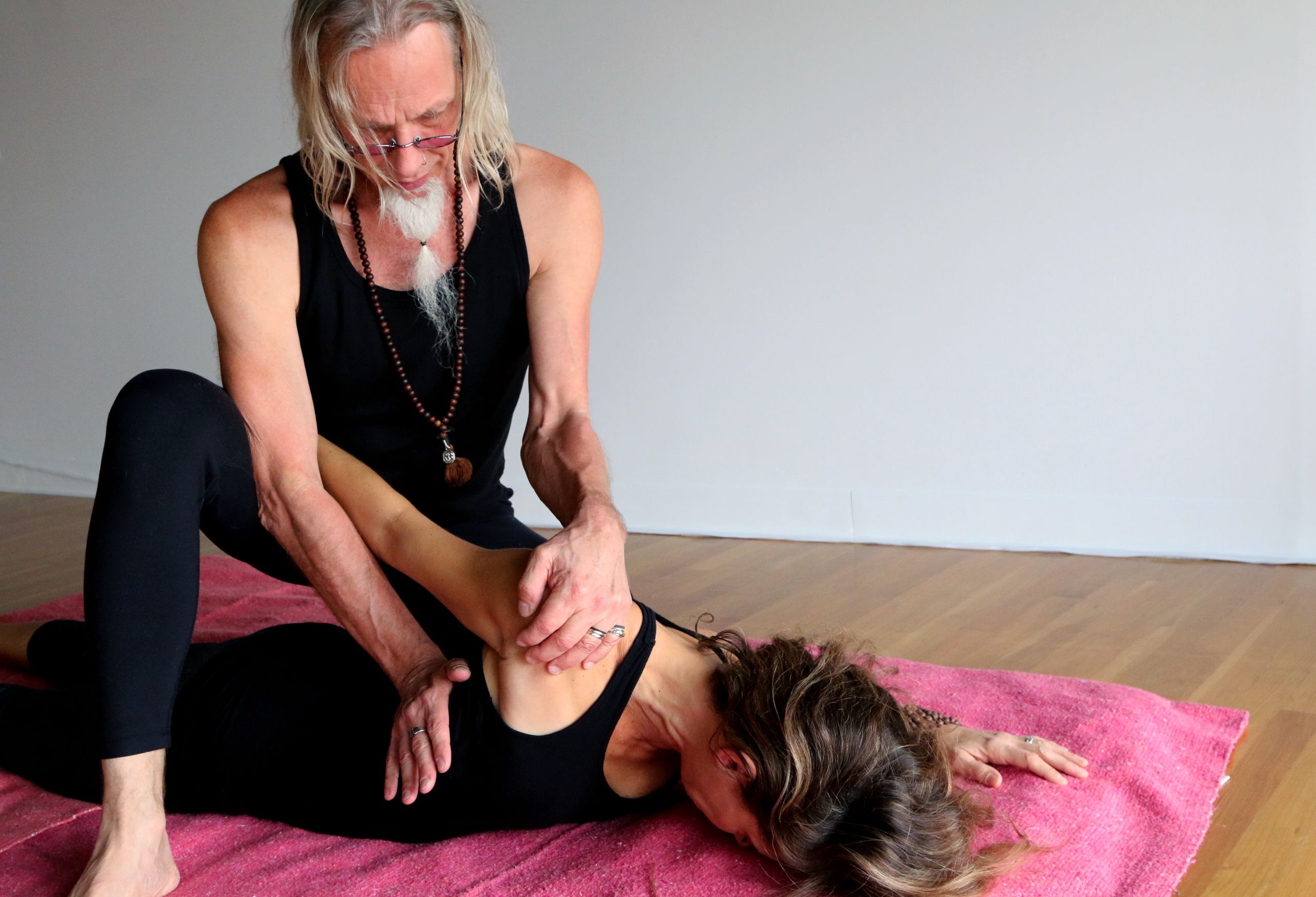
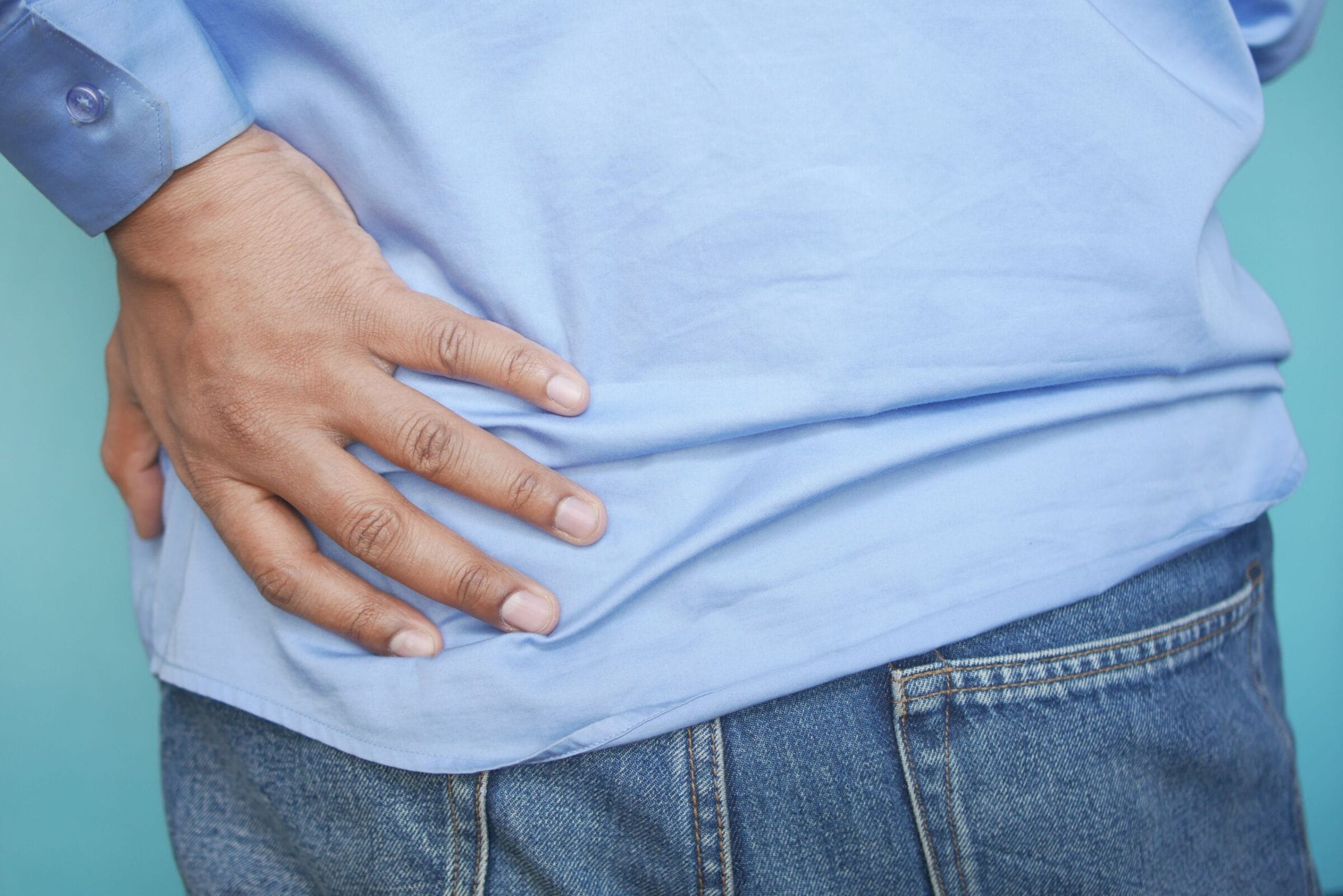
Hip pain is one of the most mismanaged complaints in the body. We use assessment-driven hip pain massage at our Denver-area clinic to find which structure is responsible, then treat it specifically.
Hip pain at a glance
What We Treat
Why the Hip Hurts in So Many Different Ways
The hip sits at the junction of the lumbar spine, pelvis, and leg, and it transmits force through every stride and pedal stroke.
Pain there can be driven by the joint itself (femoral head, labrum, capsule), the muscles around it (gluteals, hip flexors, external rotators), or referred from the lower back and SI joint above it.
That’s why the same complaint can have completely different causes in different people, and why generic hip stretching so often fails.
Common causes
🦴 Hip Impingement and Labral Irritation
Femoroacetabular impingement (FAI) produces groin pain with squatting, deep hip flexion, and end-range positions on the bike. Soft tissue work on the hip flexors, capsule, and rotators helps reduce the load that irritates the joint and labrum.
🚶 Trochanteric Bursitis and Gluteal Tendinopathy
Outer hip pain that flares with walking, stairs, and lying on that side. It usually involves the gluteus medius and minimus tendons along with the bursa, and it often settles faster with targeted soft tissue work than with rest alone.
⚡ Piriformis Syndrome
The piriformis runs directly over the sciatic nerve, and when it’s tight it produces buttock pain that can travel down the leg in a pattern easily mistaken for disc-driven sciatica. Targeted piriformis massage is often the missing piece for Denver runners who have stretched for months without relief.
🪑 Tight Hips From Training or Sitting
Hip flexors shorten from hard training miles and from eight hours a day in a chair. Deep hip flexor massage reaches the iliopsoas, a muscle stretching alone can’t meaningfully change, and tight hip massage through the gluteals and rotators helps restore the rotation your stride depends on.
Our Approach
Assessment First, Then Massage for Hip Pain That Fits
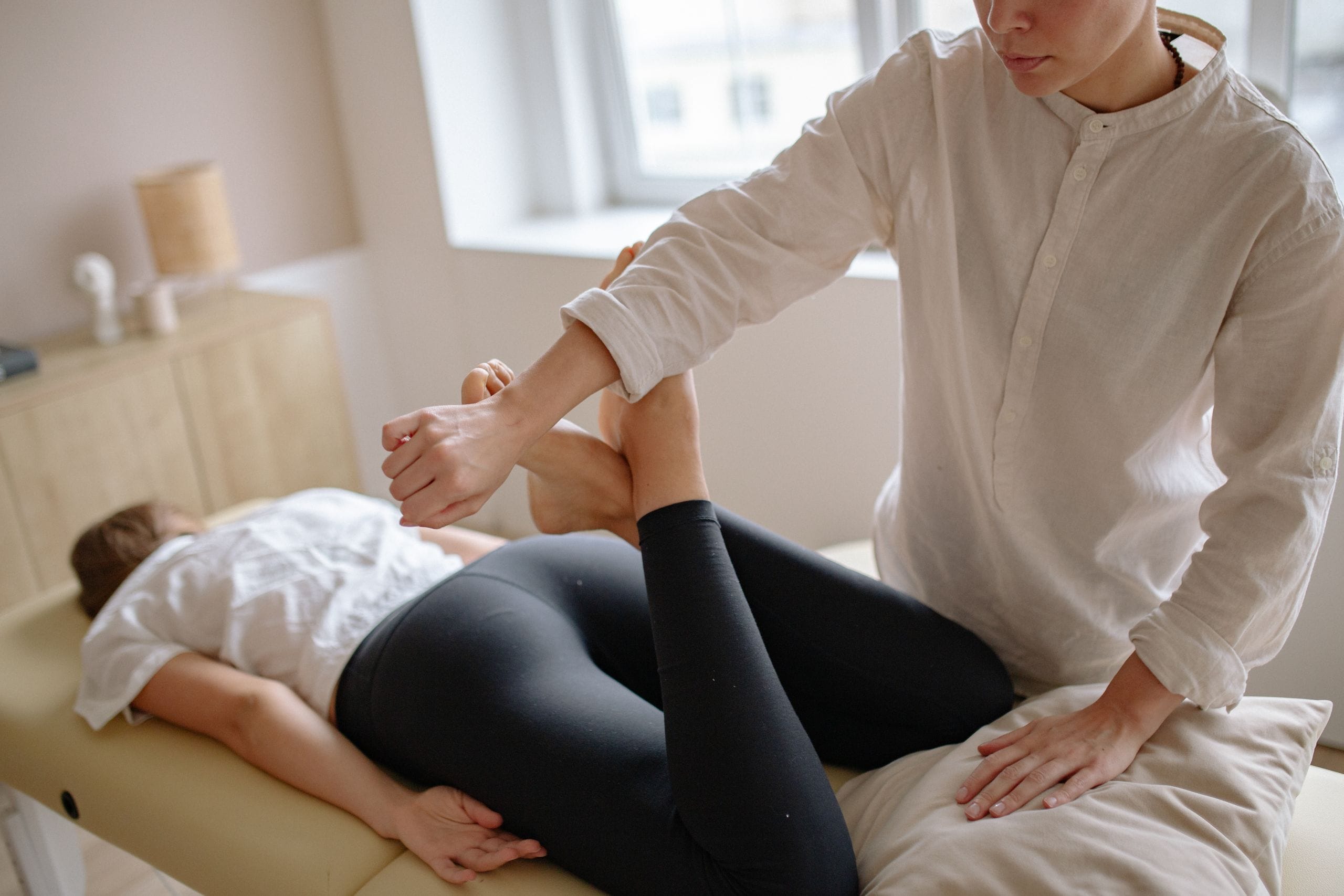
Every visit starts with a structured assessment: movement screening in multiple planes, load testing, and palpation of the relevant structures, with the lumbar spine and SI joint screened to rule out referred pain. Only then do we choose the technique.
A bursitis presentation gets IASTM on the gluteal tendons. A piriformis presentation gets deep external rotator release. Hip flexor tendinopathy gets specific iliopsoas work that stretching can’t replicate. Runners and cyclists managing training load often do best with sports massage that folds hip work into whole-leg recovery.
One caveat. If your hip pain followed a fall, you can’t bear weight, or you have groin pain with fever, see your physician before booking. For everything else, an assessment here is an appropriate first step, and we’ll refer you for imaging if the findings call for it.
What to Expect
Your First Session, Step by Step
Movement and Palpation Assessment
Active and passive range of motion testing, load testing, and systematic palpation to locate the primary pain source.
Source Identification
Your clinician names the structure driving the pain: joint, tendon, bursa, muscle, or referred pattern.
Targeted Treatment
Deep tissue, IASTM, trigger point, or myofascial release applied to the specific structures identified. Not generic hip work.
Movement Integration
A post-treatment recheck to confirm improvement, plus self-care guidance for between sessions.
Start with an assessment
Get a treatment plan built around your body, your training, and your schedule.
Common Questions
Common Questions About Hip Pain Massage
How Do I Know if My Hip Pain Is Coming From the Joint or the Muscles Around It?
Joint-sourced pain (labrum, impingement, arthritis) is usually felt deep in the groin and worsens with weight-bearing and rotation. Soft tissue pain (bursitis, tendinopathy, piriformis) sits closer to the surface and reproduces on palpation. The assessment at your first session distinguishes the two reliably.
Can Massage Help With a Hip Labral Tear?
Massage doesn’t repair a labral tear. It can, however, help reduce the hip flexor and capsular tension that loads the labrum, which is often the main source of day-to-day pain. Significant tears still warrant orthopedic evaluation, and we’ll tell you if yours does.
Is Hip Pain From Running Different From Hip Pain From Sitting All Day?
Yes. Running-related pain typically involves the gluteal tendons, IT band, and piriformis under repetitive load, while desk-related pain is usually driven by shortened hip flexors and inhibited glutes. The treatment differs accordingly.
How Many Sessions Will I Need?
Acute muscle strains and trigger point pain often improve noticeably in 2 to 4 sessions. Tendinopathies typically take 4 to 8. Long-standing impingement and post-surgical recovery run longer. Your clinician will give you a specific estimate after your first visit.


What Clients Say
Real People. Real Results.
“Outstanding service and professional as well. I was dealing with hip/quad pain for YEARS… after one session with Sarrut, I was able to squat pain free. I can’t even begin to tell you how amazing it felt! Thank you for everything!”
Yaël Saint-Armand · Facebook Review

Book
Ready to Get Your Hips Moving Again?
Your first session includes a full assessment and hands-on treatment. You’ll leave knowing what’s driving your hip pain and what to do about it.
Not sure what service to book? Call us, we’ll help you figure it out.
Explore More
Related Conditions and Services
Sports Massage
Recovery-focused work for runners and cyclists in training.
Knee Pain
Hip dysfunction is a common driver of knee pain.
Sciatic Nerve Pain
Piriformis syndrome mimics sciatica that starts in the hip, not the spine.
