Unlocking Peak Performance: The Role of Sports Massage Therapy for Triathletes
Triathlons are the ultimate test of endurance, combining swimming, cycling, and running into a single grueling event. Athletes who participate in triathlons push their bodies to the limit, requiring peak physical fitness and mental resilience. However, with these intense physical demands comes the inevitable toll on muscles, joints, and overall well-being.
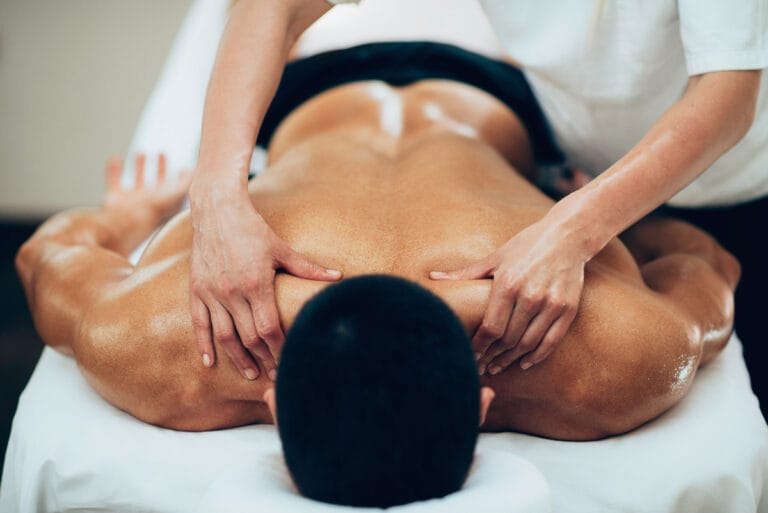
In the quest for optimal performance and injury prevention, triathletes are increasingly turning to sports massage therapy as a vital component of their training regimen. Beyond mere relaxation, sports massage offers targeted techniques that cater specifically to the unique needs of triathletes. From enhancing flexibility to reducing muscle fatigue and improving recovery times, the benefits are manifold.
In this blog, we explore the role of sports massage therapy in unlocking peak performance for triathletes. We delve into specialized massage techniques tailored for each discipline—swimming, cycling, and running—highlighting how these techniques optimize training regimens, prevent injuries, and ultimately contribute to achieving competitive edge. Whether you’re a seasoned triathlete or considering your first race, understanding the benefits of sports massage therapy can make a significant difference in your journey towards peak performance and endurance.
Understanding the Unique Needs of Triathletes
Triathlons demand versatility from athletes who must excel in swimming, cycling, and running consecutively. Each discipline places distinct stresses on the body:
- Swimming: Engages upper body muscles intensely, particularly the shoulders, back, and neck. Constant rotation and propulsion through water require strength and flexibility.
- Cycling: Focuses on lower body strength, especially the quadriceps, hamstrings, calves, and hip flexors. The repetitive motion and prolonged periods in a hunched position can lead to muscle tightness and fatigue.
- Running: Involves the lower body extensively, emphasizing the calves, thighs, hips, and core muscles. Impact forces and continuous pounding on hard surfaces contribute to muscle strain and joint stress.
Understanding these specific demands allows sports massage therapists to tailor their techniques to address the challenges faced by triathletes. By targeting key muscle groups and areas prone to fatigue and injury, massage therapy becomes not just a luxury but a strategic tool in enhancing performance and reducing the risk of overuse injuries.
In the following sections, we will explore how sports massage therapy can effectively optimize training regimens, enhance flexibility, and mitigate muscle fatigue for triathletes across each discipline. Whether you’re preparing for your next race or recovering from intense training sessions, incorporating sports massage into your routine can significantly contribute to your overall performance and well-being.
Benefits of Sports Massage Therapy for Triathletes
Sports massage therapy offers a range of benefits specifically tailored to the needs of triathletes, focusing on optimizing training regimens, enhancing flexibility, and reducing muscle fatigue. Here’s how:
Optimizing Training Regimens
Triathlon training involves rigorous schedules that push athletes to their limits. Sports massage therapy helps in several ways:
- Enhanced Recovery: After intense training sessions or races, sports massage can accelerate muscle recovery by increasing blood circulation and lymphatic drainage, which helps remove metabolic waste and reduce muscle soreness.
- Preventive Maintenance: Regular massage sessions can identify areas of tightness or imbalance before they become serious issues, allowing athletes to adjust their training accordingly and prevent overuse injuries.
Enhancing Flexibility
Flexibility is crucial in all three triathlon disciplines to optimize performance and prevent injury:
- Improved Range of Motion: Specific massage techniques such as myofascial release and deep tissue massage can help loosen tight muscles and improve joint flexibility, facilitating smoother movements and reducing the risk of strains or tears.
- Muscle Elasticity: By enhancing muscle elasticity, sports massage therapy ensures that athletes can perform movements with greater efficiency and less resistance, contributing to improved overall performance.
Reducing Muscle Fatigue
Muscle fatigue is a common challenge for triathletes due to the repetitive nature of their training and competition
- Tension Release: Techniques like trigger point therapy and compression massage can target knots and areas of muscular tension, promoting relaxation and reducing the likelihood of muscle fatigue during prolonged activity.
- Recovery Enhancement: By promoting relaxation and reducing muscle tension, sports massage therapy helps athletes recover faster between workouts or after races, allowing them to maintain peak performance throughout their training cycle.
Sports massage therapy is not only a recovery tool but also a proactive measure to optimize physical conditioning and prevent injuries among triathletes. In the next section, we will delve into specific massage techniques tailored to each discipline—swimming, cycling, and running—to illustrate how these benefits are applied in practice, supporting triathletes in achieving their peak performance goals.
Specialized Massage Techniques for Triathletes
Triathletes engage in diverse disciplines that place unique demands on their bodies. Here’s how specialized sports massage techniques can effectively address these demands for swimming, cycling, and running:
Swimming
- Focus Areas: Shoulders, back, and neck are commonly stressed during swimming due to repetitive upper body movements.
- Techniques: Deep tissue massage targets muscular tension and improves circulation in the shoulders and back. Myofascial release can address tightness in the neck and upper back, enhancing mobility and reducing the risk of strain.
Cycling
- Focus Areas: Quadriceps, hamstrings, calves, and hip flexors bear the brunt of cycling’s lower body exertion.
- Techniques: Trigger point therapy is effective for releasing knots and tightness in the quadriceps and hamstrings. Stretching techniques incorporated during massage sessions can enhance flexibility in the calves and hip flexors, facilitating smoother pedaling and reducing the likelihood of cramping.
Running
- Focus Areas: Calves, thighs, hips, and core muscles endure significant impact and repetitive stress during running.
- Techniques: Compression massage aids in increasing blood flow and reducing muscle soreness in the calves and thighs. Active release techniques can alleviate tightness in the hips and improve range of motion, promoting more efficient stride mechanics and reducing the risk of overuse injuries.
These specialized massage techniques are tailored to the specific needs of each triathlon discipline, aiming not only to alleviate muscle tension but also to enhance performance and reduce the likelihood of injury. By incorporating these techniques into their training regimens, triathletes can experience improved flexibility, reduced muscle fatigue, and enhanced overall readiness for competition.
In the following sections, we will explore how sports massage therapy can be seamlessly integrated into triathletes’ training plans, both pre- and post-training sessions, to maximize its benefits and support their journey towards peak performance. We will also highlight real-life examples and success stories from triathletes who have benefited from incorporating sports massage therapy into their routines.
Integrating Sports Massage Therapy into Training Plans
Sports massage therapy plays a pivotal role in the preparation and recovery phases of triathlon training, offering substantial benefits to athletes. Here’s how it can be effectively integrated into training plans:
Pre-Training Sessions
- Preparation: Before intense training blocks or races, sports massage can prepare the body by loosening tight muscles and improving circulation. This preparation optimizes muscle function and enhances flexibility, ensuring athletes are primed for peak performance.
- Injury Prevention: By identifying and addressing areas of tension or imbalance, sports massage helps prevent overuse injuries that could sideline athletes during critical training periods. Therapists can focus on specific muscle groups relevant to upcoming training sessions or competitions, ensuring athletes are physically prepared for the demands ahead.
Post-Training Sessions
- Recovery Enhancement: After strenuous workouts or races, sports massage accelerates recovery by reducing muscle soreness and promoting relaxation. Techniques like compression massage and myofascial release help alleviate muscle tightness and improve blood circulation, facilitating faster healing and replenishment of energy stores.
- Maintenance of Physical Health: Regular post-training massage sessions contribute to maintaining optimal physical health throughout the training cycle. Athletes experience less fatigue and stiffness, enabling them to maintain consistent training intensity and volume without compromising performance.
Integrating sports massage therapy into both pre- and post-training routines ensures triathletes benefit from enhanced recovery, reduced injury risk, and improved overall performance. By working closely with qualified sports massage therapists, athletes can customize their massage sessions to align with their training goals and specific needs, whether focusing on recovery from intense workouts or preparing for upcoming competitions.
In the next section, we will delve into real-life case studies and success stories of triathletes who have incorporated sports massage therapy into their training regimens. These examples will illustrate the tangible benefits and impact of massage therapy on enhancing performance, recovery, and overall well-being in the context of competitive triathlon training.
Conclusion
In the demanding world of triathlons, where endurance and resilience are paramount, sports massage therapy emerges as a crucial ally for athletes striving to unlock their peak performance. Throughout this blog, we’ve explored how sports massage therapy caters to the unique needs of triathletes by optimizing training regimens, enhancing flexibility, and reducing muscle fatigue.
Sports massage therapy offers triathletes significant benefits:
- Optimized Training: By accelerating recovery and preventing injuries, sports massage ensures athletes can maintain rigorous training schedules without setbacks.
- Enhanced Flexibility: Targeted techniques improve range of motion, enabling athletes to perform with greater efficiency across swimming, cycling, and running disciplines.
- Reduced Muscle Fatigue: Techniques like compression massage and trigger point therapy alleviate muscle tightness, promoting faster recovery and sustained endurance.
Moreover, integrating sports massage therapy into both pre- and post-training routines enhances overall physical health and readiness for competition. Triathletes who embrace these tailored massage techniques often experience improved performance outcomes and fewer setbacks due to overuse injuries.
As evidenced by real-life case studies and success stories, athletes who prioritize sports massage therapy gain a competitive edge. Whether striving for personal bests or podium finishes, the proactive approach of sports massage therapy supports athletes in reaching their full potential.
In conclusion, sports massage therapy stands as a cornerstone in the comprehensive training toolkit of triathletes worldwide. By partnering with skilled therapists and embracing these specialized techniques, athletes can elevate their performance, maintain peak physical condition, and continue pushing boundaries in the pursuit of their triathlon goals.
For triathletes considering ways to enhance their training and recovery strategies, sports massage therapy offers not just a treatment, but a strategic advantage that fosters endurance, resilience, and long-term success in the demanding sport of triathlon.
Explore how sports massage therapy can benefit your triathlon journey. Consult with a qualified sports massage therapist to discuss personalized strategies and techniques tailored to your specific needs and training goals. Start prioritizing recovery and performance optimization today to achieve your aspirations in triathlon competition.