

Sports Massage in Denver
Keep your body ready
for whatever you’re training for.
Clinical sports massage in Denver for runners, cyclists, triathletes, lifters, and everyone in between. Our licensed therapists keep your muscles and soft tissue working the way they should, so you can train hard, recover well, and stay off the injured list.
What sports massage does
Who it’s for
Sports massage for every kind of
Denver athlete
Different sports break bodies down in different ways, so your session should look like your training does. Here is how we work with the athletes we see most.
Runners
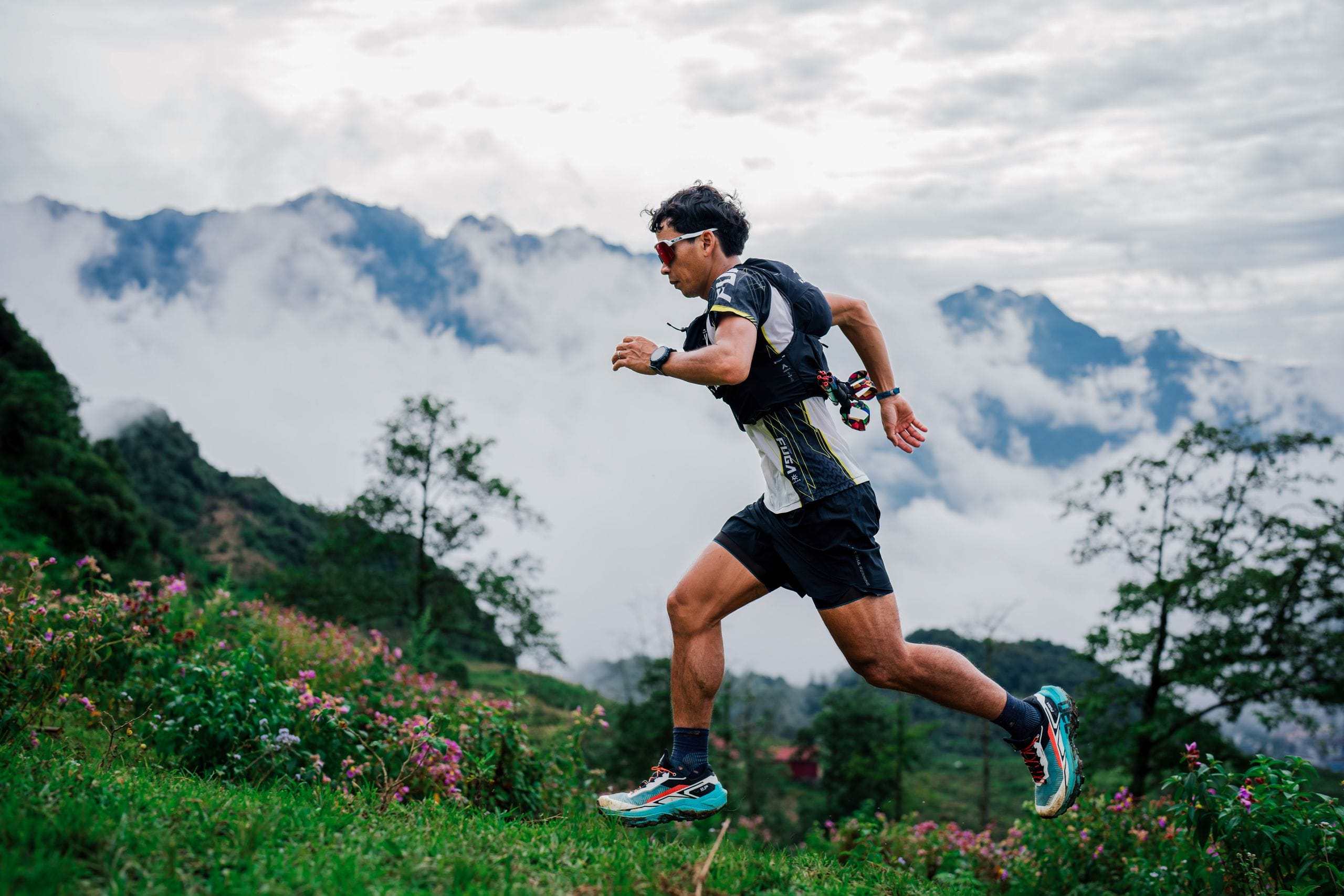
Massage for runners focuses on the usual suspects: calves, hamstrings, glutes, and the deep hip stabilizers that keep your stride honest. Regular work helps with tissue quality, range of motion, and the tight spots that show up around week three of a marathon build. If you are logging miles on the Highline Canal or grinding hill repeats, this is maintenance worth scheduling.
Cyclists and Triathletes
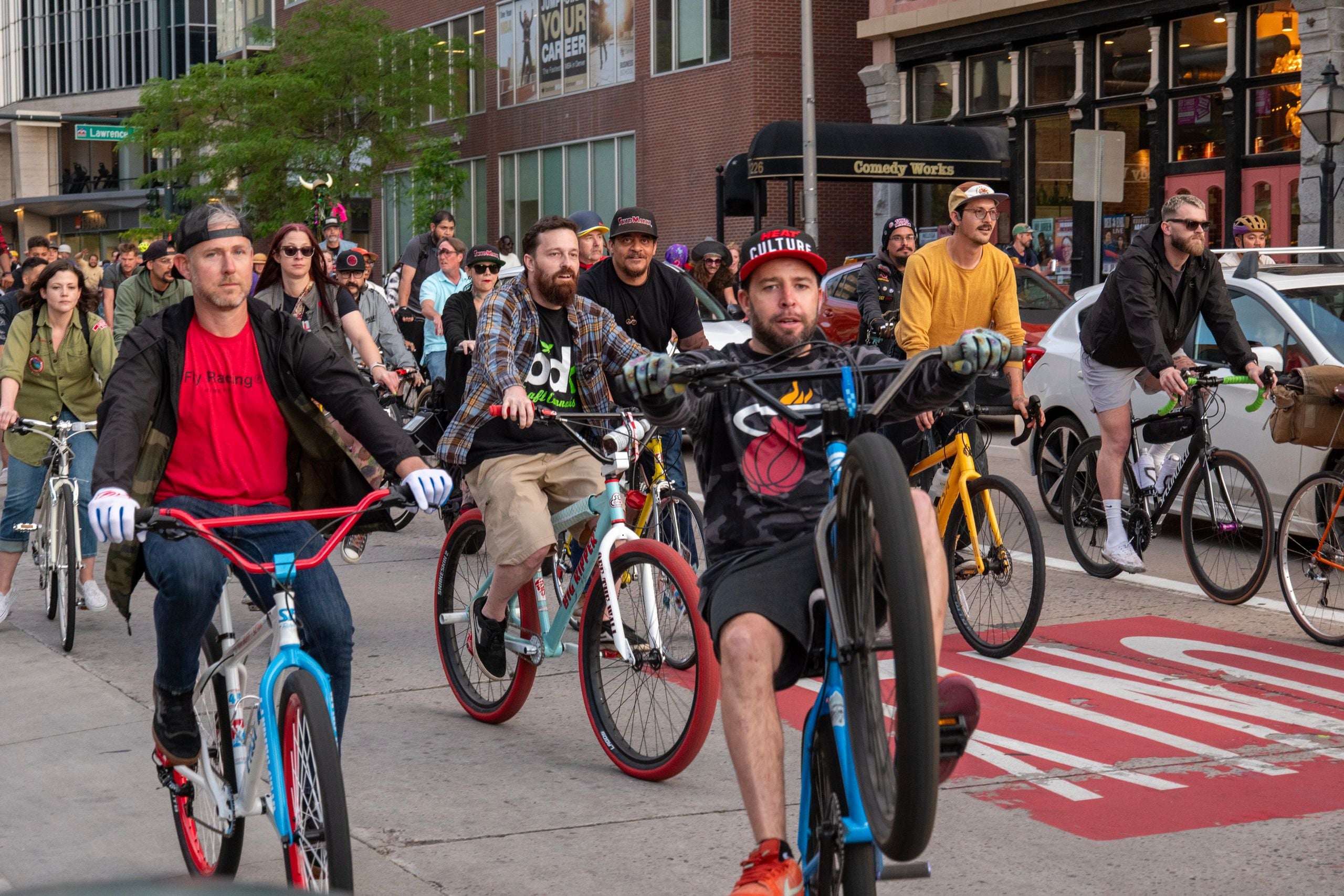
Long hours in the saddle shorten the hip flexors and load the low back, neck, and shoulders. We work the quads, hips, and thoracic spine so you can hold your position comfortably and put power through the pedals. Triathletes juggling swim, bike, and run volume get full-body attention, with extra time wherever the current block demands it.
Strength and CrossFit Athletes
Heavy squats, presses, and Olympic lifts create dense tension through the shoulders, forearms, and posterior chain. Deep tissue work and trigger point therapy help restore the tissue quality and overhead mobility that heavy training slowly takes away, so you can keep adding load without your joints paying the bill.
Team Sports and Weekend Warriors
Soccer, basketball, skiing, pickup hockey. Stop-and-go sports produce their own pattern of strains and chronically tight spots. If you play hard on the weekend and feel it all week, a regular session helps you keep doing the thing you love without the days of soreness afterward.
What is it?
What is sports massage?
Sports massage is massage therapy built around the demands of training. Where a spa massage aims at general relaxation, a sports massage session targets the specific tissues your sport loads over and over: the calves and hamstrings that carry a runner through a 40-mile week, the hips and low back that stiffen on long rides, the shoulders that take a beating under a barbell.
At Denver Sports Massage, every session starts with an assessment. Your therapist looks at how you move, asks about your training and any nagging areas, then applies focused therapeutic work where it will do the most good. The goal is simple: keep your muscles and soft tissue tuned so your body can handle the work you ask of it.
You do not need to be a competitive athlete to benefit. Weekend warriors, new runners, and active professionals get the same care as marathoners and CrossFit regulars.
Benefits
What sports massage can do for you
Better performance
Sports massage helps improve flexibility, range of motion, and muscle balance. When tissue moves freely, your mechanics improve and you can produce force without fighting your own restrictions.
Faster recovery
Massage promotes circulation and lymphatic drainage, which supports your body’s natural recovery process between hard sessions. Most athletes notice less lingering soreness and a quicker return to quality training.
Lower injury risk
Many overuse injuries start as small imbalances or areas of chronic tightness. Regular sports massage helps identify and address those spots before they become the thing that sidelines you.
A clearer head
Bodywork also helps reduce stress and anxiety. Plenty of our clients book around big races as much for the mental reset as for the physical one.
One honest note: massage does not cure injuries, and we will never tell you it does. What consistent, skilled bodywork can do is support recovery, help relieve pain, and keep you training.
How it works
What to expect
in a session
Assessment
We start by evaluating how you move and talking through your training, your goals, and anything that hurts. No table time until we understand what we are treating.
Targeted Treatment
Your therapist builds the session around what the assessment found, combining the techniques above where they will help most.
Education and Self-Care
You leave with practical guidance on stretches, mobility work, and training adjustments so the results last longer than the session.
Ready to train, race, and recover at your best?
Book a sports massage with a licensed therapist who understands what your training asks of your body.
Why Denver Sports Massage
Choosing the right sports massage therapist
Not every massage therapist works with athletes, and it shows. When you are comparing options, look for real training and licensure, experience with your sport, and a therapist who asks about your goals before reaching for a technique. Here is what that looks like at Denver Sports Massage.
Licensed, selectively hired clinicians
Our therapists are licensed massage therapists with sports-specific training and experience treating athletes at every level, from first marathons to competitive racing.
An assessment-first approach
Sessions are planned around your body and your goals, not a script.
A clinical, results-focused setting
Our Greenwood Village clinic is built for treatment, with professional therapy rooms and the tools our therapists actually use, rather than spa ambiance.
Care that stays affordable
Straightforward pricing and package options make regular bodywork sustainable through a full season, not just a one-time treat.
A track record you can check
We hold a 4.9 rating on Google across more than 350 reviews from Denver-area athletes.
Our services
Types of sports massage we offer
Four ways to work with us, matched to where you are in the season.
🗓️ Maintenance sports massage
Regular sessions scheduled through a training cycle so you can train harder with fewer interruptions.
🔧 Injury recovery massage
For athletes working back from a strain or overuse issue, massage can help reduce pain and swelling, support flexibility, and complement the care you are receiving from your physician or physical therapist.
🏁 Pre-event sports massage
A short, stimulating session 15 to 45 minutes before competition, designed to increase circulation, flexibility, and mental focus. Learn more on our pre-event sports massage page.
🏆 Post-event sports massage
Performed within a day or so of your event to help normalize tissue, reduce muscle tension, and start the recovery process. See our post-event sports massage page for details.
Techniques
Techniques our sports massage therapists use
There is no single sports massage stroke. Our therapists combine techniques based on your assessment, your sport, and how your tissue responds.
Deep tissue massage
Slow, firm work into the deeper layers of muscle and connective tissue to help release chronic tension and adhesions.
Trigger point therapy
Targeted pressure on the tight, irritable knots in muscle that refer pain and limit performance.
Myofascial release
Sustained work on the fascia, the connective tissue that surrounds your muscles, to improve glide and reduce movement restrictions.
Active release technique
Massage combined with active movement to help break up adhesions and restore mobility.
Sports stretching
Assisted stretches that target the muscle groups your sport depends on, supporting flexibility and range of motion.
Swedish massage
Longer, flowing strokes used where the goal is circulation and recovery rather than deep work.
This blend of sports and therapeutic massage means your session is matched to what your body needs that day, not pulled from a fixed menu.
Common questions
Sports massage FAQ
How often should I get a sports massage?
It depends on your training volume, your schedule, and your goals. Some athletes benefit from weekly sessions during heavy training blocks, while others do well coming in every few weeks for maintenance. Your therapist will help you find the right rhythm.
Can sports massage help with injury recovery?
Yes. Sports massage can support injury recovery by promoting circulation, helping reduce inflammation, and encouraging normal muscle function. Your therapist will tailor treatment to your specific injury and recovery goals, and work alongside any care you are getting from other providers.
Is sports massage only for professional athletes?
No. Sports massage helps people at every level of activity, from recreational runners to elite competitors. If you train, put in hard miles on the trail, or just want to stay active without constant aches, you can benefit.
Does sports massage hurt?
Some techniques, like deep tissue work and trigger point therapy, can be intense. Your therapist will check in throughout the session and adjust pressure to your tolerance. Productive discomfort is fine; gritting your teeth is not the goal.


“Sasha at Denver Sports Massage is awesome — she has been receptive to my needs and really listens to what I need to get me active again!”
Shelly Kurach · Google Review · Verified
“Outstanding service and professional as well. I was dealing with hip/quad pain for YEARS… after one session with Sarrut, I was able to squat pain free. I can’t even begin to tell you how amazing it felt! Thank you for everything!”
Yaël Saint-Armand · Facebook Review
“Had a truly restorative experience with Gabriel, and the staff were fantastic from check-in through the entire process. Looking forward to my next visit!”
Yomi Olufowoshe · Google Review · Verified

Your training is only as good as your recovery
Ready to train, race, and recover
at your best?
Book a sports massage with a licensed therapist who understands what your training asks of your body.
Not sure what service to book? Call us, we’ll help you figure it out.
Explore More
You might also find useful
Where clients go next, around race day and through the season.
Pre-Event Sports Massage
Prime your muscles in the final days before a race.
Post-Event Sports Massage
Recover faster after races and hard efforts.
Pricing & Packages
Straightforward rates and packages for regular care.
Acupuncture
A strong complement to sports massage: reduces inflammation and addresses the systemic effects of heavy training.
