

Active Release Technique in Denver
Break the adhesion.
Restore the movement.
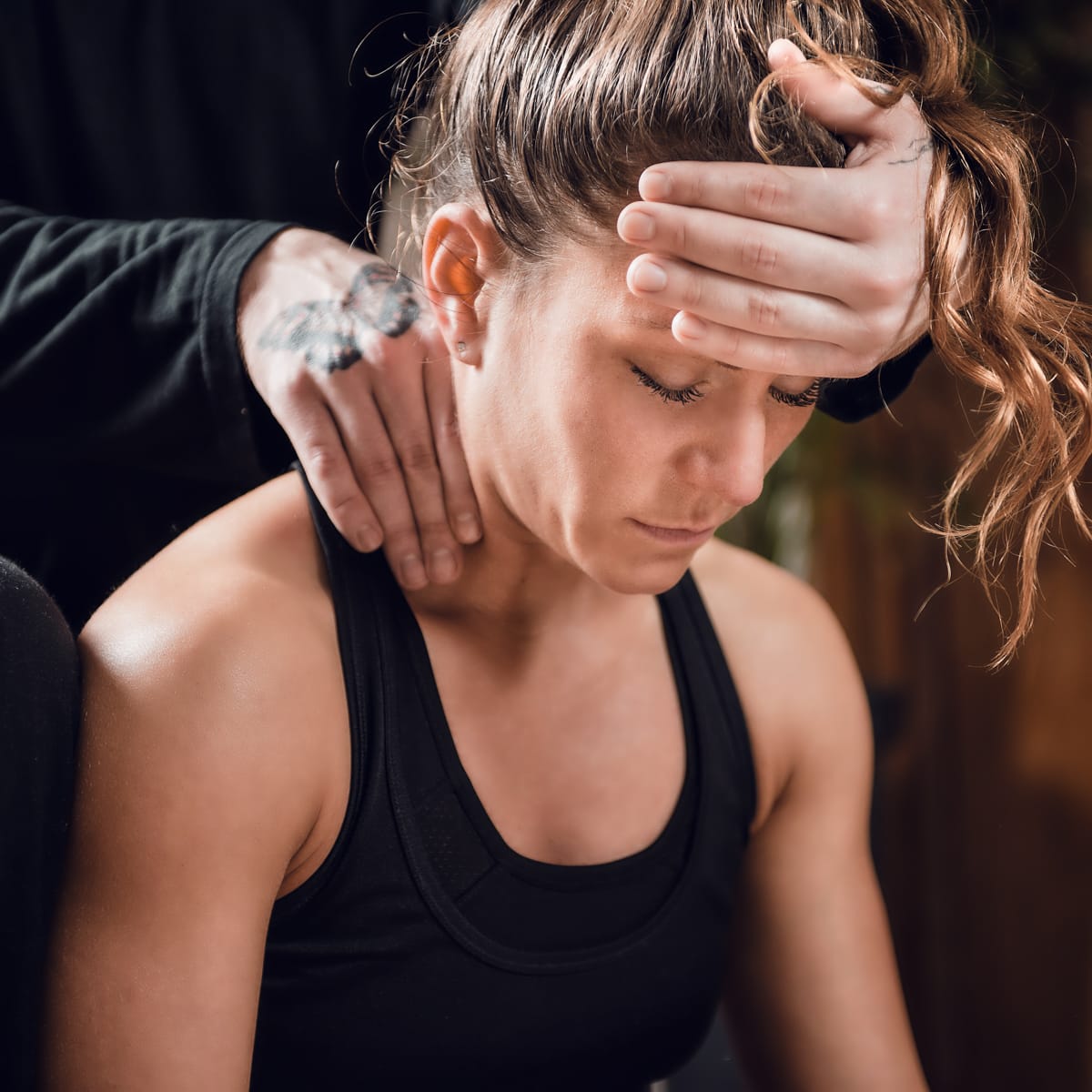
Active Release Technique (ART) is a patented, movement-based soft tissue method developed specifically for the treatment of overuse injuries and soft tissue adhesions. By combining precisely applied tension with active patient movement through full range, ART breaks up the scar tissue and adhesions that form between muscles, nerves, and fascia, helping restore normal tissue glide and ease the pain and movement restriction they cause.
What makes ART distinctive
How adhesions form
Every overuse injury leaves something behind
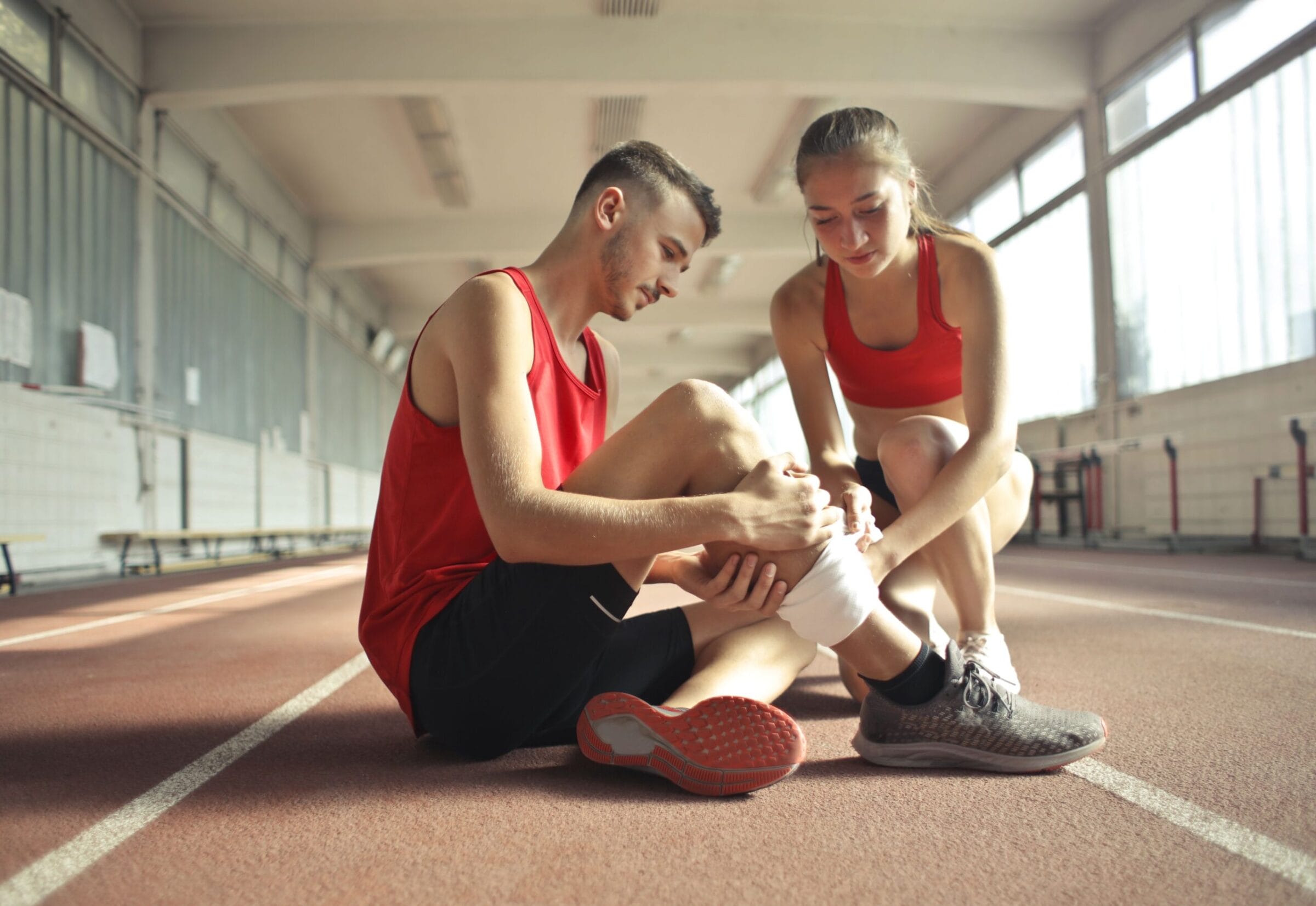
When soft tissue is repeatedly overloaded, through repetitive movement, sustained posture, or the cumulative microtrauma of sport and training, the body responds by laying down fibrous tissue to reinforce the stressed area. This is the same repair mechanism that heals acute injuries, but in an overuse context it produces adhesions: areas where muscles, tendons, nerves, and fascia that should glide freely against each other become stuck together.
Adhesions are the underlying structural problem in most chronic overuse injuries. The runner with IT band syndrome, the cyclist with hip flexor restrictions, the office worker with carpal tunnel symptoms, the pitcher with shoulder impingement: in all of these, the tissue quality has changed. The structures no longer move independently. Normal function requires that muscles lengthen and slide against adjacent structures during movement; when adhesions prevent this, the result is pain, reduced range of motion, reduced strength, and abnormal movement mechanics that create secondary injury patterns.
ART addresses adhesions directly through the shearing mechanism. The clinician applies specific contact to the adhered tissue while you actively move through the range that creates maximum tissue glide. The tension combined with movement creates a controlled force at the adhesion site that breaks the bonds between the stuck structures.
Conditions that respond best
Overuse injuries are
ART’s strongest indication
IT Band Syndrome
The lateral knee and hip pain of IT band syndrome reflects adhesions between the IT band, the underlying vastus lateralis, and the gluteal complex that prevent normal tissue glide during running. ART directly addresses the specific adhesion patterns that create this restriction.
Carpal Tunnel & Wrist Pain
Many cases diagnosed as carpal tunnel syndrome involve adhesions in the forearm flexors and the carpal tunnel structures themselves. ART protocols for the forearm and wrist can help relieve symptoms that are often attributed to nerve entrapment.
Plantar Fasciitis
The plantar fascia and intrinsic foot muscles develop adhesions from repetitive impact that ART’s specific foot and ankle protocols address directly, a useful complement to stretching and orthotics.
Shoulder Impingement & Rotator Cuff
Adhesions in the rotator cuff and the surrounding shoulder capsule restrict the normal glide of the supraspinatus under the acromion, creating the impingement mechanics. ART helps restore the tissue mobility the shoulder needs.
Nerve Entrapment
ART has specific protocols for peripheral nerve entrapments at every common entrapment site: the carpal tunnel, cubital tunnel, thoracic outlet, and piriformis. The nerve is treated both directly and through the surrounding structures that are compressing it.
Hip Flexor & Groin Restriction
Iliopsoas and hip flexor adhesions are among the most common movement restrictions in athletes and desk workers. ART protocols for the hip flexor complex can meaningfully improve hip extension range and ease anterior hip pain from adhesion-related impingement.
What a session involves
Active participation
is part of the treatment
ART is unlike passive massage in one important way: you move during the treatment. The clinician places specific tension on the target structure while you actively move the relevant limb or body segment through full range of motion. This active movement is not incidental; it is the mechanism by which the treatment works. The shearing force created by the combination of applied tension and active movement is what breaks the adhesion.
This means sessions feel quite different from conventional massage. You are guided through specific movement patterns while the clinician maintains precise contact. The sensation is often described as a deep release or a “good stretch” through the affected tissue. Some pressure is expected when the contact is applied to the adhesion site; this reduces as the adhesion breaks down over subsequent repetitions.
Sessions typically address 3 to 5 structures per visit, with 3 to 8 passes per structure. Most presentations require 3 to 6 sessions for significant improvement, with the biggest changes often occurring in the first 2 to 3 sessions as the primary adhesions are broken down.
ART and sport: why athletes use it
ART is used by professional and Olympic sports medicine teams because it addresses the cumulative tissue changes of high training loads. The same mechanism works for recreational athletes and active individuals dealing with the same overuse patterns. Ready to address the adhesions? Book an orthopedic or sports massage and mention ART; your clinician will incorporate it as indicated.
What to expect
Your ART session,
step by step
Tissue Assessment
The clinician identifies the specific structures involved through movement testing, palpation, and tissue quality assessment. The direction and location of the adhesions are mapped, and the specific ART protocols are selected based on these findings.
Protocol Application
The clinician places the target structure in a shortened position, then applies specific contact pressure to the adhesion site. You then actively move through the full range of motion that lengthens the structure, creating the shearing force at the adhesion.
Multiple Passes
Each structure is treated with 3 to 8 passes, depending on the severity and age of the adhesion. The sensation typically reduces with each pass as the tissue begins to glide more freely. Progress is assessed between passes.
Retesting & Home Care
Movement is retested after treatment to confirm improvement. You receive specific mobility work and movement guidance to reinforce the gains between sessions, which matters most in the early stages of treatment.
Ready to move freely again?
Your first session includes assessment and active release work on the adhesions limiting your movement.
Common questions
What people ask about Active Release Technique
Is ART the same as deep tissue massage?
Does ART hurt?
How many sessions will I need?
Can I have ART and regular massage in the same session?
Is ART appropriate for all ages and fitness levels?


“Outstanding service and professional as well. I was dealing with hip/quad pain for YEARS… after one session with Sarrut, I was able to squat pain free. I can’t even begin to tell you how amazing it felt! Thank you for everything!”
Yaël Saint-Armand · Facebook Review
“Logan was great. I came in with zero expectations but what he did was something I did not expect. I’m used to a deep tissue massage just having someone crank at your knots with lots of pressure. But he somehow removed tension by moving my back muscles around without having to just “crank” at my back. I’ll be back.”
Simon Golub · Google Review · Verified
“Sasha at Denver Sports Massage is awesome — she has been receptive to my needs and really listens to what I need to get me active again!”
Shelly Kurach · Google Review · Verified

Address the adhesion directly
Overuse injuries don’t resolve
with rest and stretching alone.
If you have a chronic overuse injury that hasn’t responded to conventional treatment, an underlying adhesion may be what’s maintaining it. ART addresses that directly. Book a session and let the assessment identify what’s stuck.
Not sure what service to book? Call us, we’ll help you figure it out.
Related services
ART works best
as part of a complete approach
ART addresses adhesions. The underlying causes, such as movement patterns, training load, and biomechanics, often need to be addressed alongside it for lasting results.
Orthopedic Massage
ART is most commonly integrated into orthopedic massage sessions, addressing the specific adhesions identified in the assessment alongside broader soft tissue work.
Sports Massage
For athletes managing cumulative training load, ART as part of a sports massage session addresses tissue changes before they become symptomatic.
IASTM / Scraping
IASTM addresses fascial adhesions through instrument-assisted technique; ART addresses them through movement. The two are complementary.
PNF Stretching
Once ART breaks the adhesion, PNF stretching consolidates the new range of motion, reinforcing the tissue mobility ART creates.
Passive Positional Release
Where ART uses active movement and tension, PPR uses passive positioning and no pressure. For adhesions combined with protective spasm, PPR comes first.
Trigger Point Therapy
Trigger points often develop in the muscle around adhesion sites. Addressing both produces more complete results.
